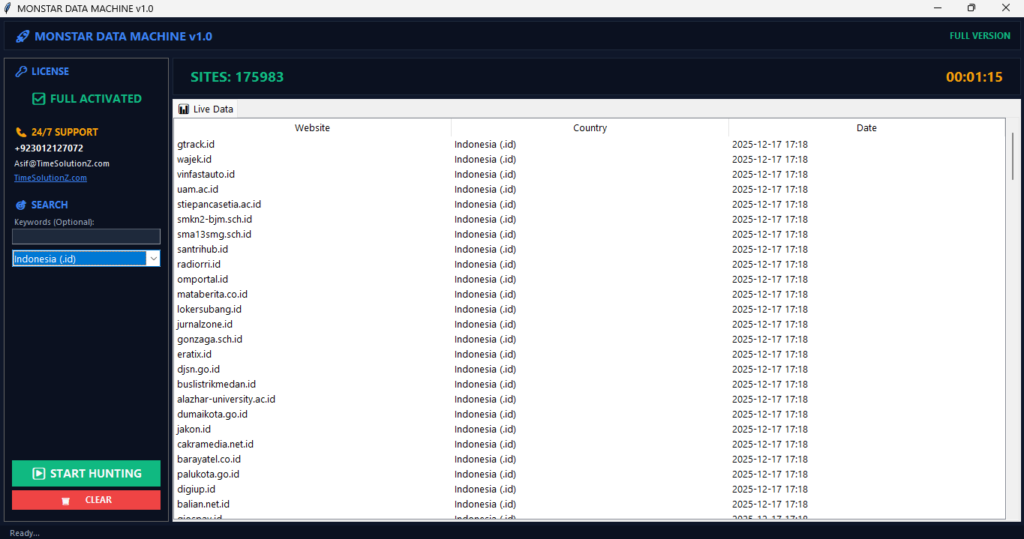
In 2026, the question of is web scraping legal in 2026 remains a complex topic that depends heavily on how you gather and use information. Generally, collecting publicly available data that does not require a login or bypass security measures is widely considered defensible in many courts.
However, the landscape changes quickly once you touch personally identifiable information or ignore a site’s terms of service. Regulations like the GDPR or CCPA impose strict requirements when handling individual data, making compliance a necessity for any business.
Ultimately, the safest approach involves respecting robots.txt files, implementing reasonable rate limiting, and ensuring your data extraction practices remain ethical, transparent, and focused on public content.
The Golden Rule: Public vs. Authenticated Data
Public data is for everyone and safe to scrape. Authenticated data is hidden behind logins and protected by privacy laws.
- Public Data: Info that anyone can see without a password is usually safe to scrape. This includes things like store prices, business lists, and news headlines.
- Authenticated Data: Info locked behind a login, such as private user profiles or dashboards, is protected. Accessing this without permission often leads to big legal risks. Do not go there.
Legally Compliant vs. Illegal Scraping: At a Glance
Safe scraping means you are polite to servers and respect privacy. Illegal methods often break security to steal private data.
| Feature | Legally Compliant Scraping | Illegal Scraping |
| Accessibility | Publicly accessible data | Password-protected/Private data |
| Security | Does not bypass security | Bypasses firewalls or CAPTCHAs |
| Server Impact | Polite, slow, and respectful | Aggressive, crashes servers |
| Data Usage | Respects copyright and privacy | Steals proprietary intellectual property |
Practical Data Extraction: Methods and How It Works
Web scraping is the automated way of fetching HTML from websites. Different Methods to Extract Website Links, you parse the DOM structure to pull out the specific data you need.
How Web Scraping Works and Methods to Extract Website Links
You can use browser extensions, Python scripts, or official APIs to extract links. How Web Scraping Works, it just depends on your technical goals and what the site allows.
- Browser Extensions: Good for beginners. You just click and grab data from simple pages.
- Python and BeautifulSoup: The standard for developers. It sends HTTP request headers to mimic a real user and gets data from the page code.
- API Access: The safest way to get data. Many platforms provide official APIs. These give you structured data without needing to scrape the page directly.
How to Extract URLs Effectively for Large Datasets
How to Extract URLs Effectively needs smart planning, rate limiting, and slow request speeds. This prevents websites from blocking your IP address. You should use a systematic approach that mimics human behavior. Keep your request volume under control.
Best Practices for Extracting Large URL Lists
Best Practices for Extracting Large URL Lists, manage large datasets safely. Use structured discovery, distributed crawling, and proper database storage to keep your data pipelines high-quality. This keeps your activity low-key. It protects your scraper from getting blocked.
Using Sitemaps for Discovery
Sitemap XML files give you a map of a website. This makes it easy to find all pages faster than manually guessing URL structures. This is much faster and safer than trying to guess URL structures by hand.
The Importance of Distributed Crawling to Avoid IP Bans
Distributed crawling spreads your requests across many different IP addresses. This prevents any single source from seeing too much activity at once. It stops a server from seeing too much from one spot, which keeps your access open.
Using Database Storage Instead of Flat Files for Large URL Lists
Use a database for large URL lists. It keeps your data organized. It allows for efficient recursive scraping and parallel processing during extraction. Flat files like text documents become slow and hard to manage when you have millions of links. Use a database.
The 4 Legal Pillars of Web Scraping Compliance in 2026

- The Computer Fraud and Abuse Act (CFAA) & Login BarriersYes, the CFAA makes it illegal to bypass passwords or security to access private data systems without permission. In 2026, courts look closely at public web pages versus systems behind login barriers. If you use automated bots to bypass security walls, you are likely violating the CFAA.
- Contract Law: Can a Website’s Terms of Service (ToS) Stop You?Yes, violating a website’s Terms of Service can lead to civil lawsuits. These terms act as a binding contract with the owner. While breaking them is often a contract issue rather than a criminal one, companies can sue you for breach of contract. Always check the site rules before you start.
- Copyright Law, Intellectual Property, and AI Training DatasetsNo, scraping public data does not give you the right to use that content to build competing products or AI models. Using scraped content to build a direct competitor or for AI training without permission may lead to serious legal claims regarding intellectual property.
- Privacy Regulations: Scraping PII Under GDPR, CCPA, and BeyondYes, you must strictly avoid scraping personal identifiable information (PII) to stay compliant with global privacy laws like GDPR and CCPA. If you scrape names, emails, or phone numbers, you must follow strict data protection and deletion rules to avoid heavy legal penalties.
Landmark Lawsuits That Shaped 2026 Scraping Legalities
The Legacy of hiQ Labs v. LinkedIn: Why It Still Matters
This landmark case proved that scraping public information is legal. It does not violate the CFAA, provided you do not break into databases. This victory for data miners confirmed that public information remains fair game, provided you do not hack private databases.
Recent 2025–2026 Court Rulings on AI Data Extraction
Yes, recent court rulings mandate that AI companies must remain transparent. They must respect data rights when scraping massive datasets for model training. Using scraped content to train AI tools is now a high-stakes legal area. Transparency and credit are required.
The 2026 Web Scraping Legality Risk Matrix
Green Light: Low-Risk Public Data Scraping Examples
Yes, scraping non-private, public data for market research or school is currently low-risk and legally acceptable.
- Collecting publicly available weather data.
- Scraping e-commerce prices for market research.
- Gathering research data from public government portals.
Yellow Light: Gray Areas (Social Media & IP Blocks)
No, you should proceed with extreme caution when scraping sites that use IP blocking or prohibit automated access in their terms.
- Scraping social media posts that are technically public but violate platform terms.
- Scraping sites that explicitly ask you to stop via IP blocking.
- Collecting data from sites that use aggressive anti-scraping technology.
Red Light: High-Risk Violations That Trigger Lawsuits
Yes, bypassing security, stealing traffic, or ignoring legal notices is dangerous. It creates a very high risk of immediate legal action.
- Bypassing login credentials to scrape private user data.
- Scraping content and republishing it as your own to steal traffic.
- Ignoring a formal Cease and Desist letter from a company.
How to Scrape Ethically: A Developer’s Legal Checklist
Respecting Robots.txt and Server Health
Yes, you must follow the instructions in a site’s robots.txt file. Maintain a respectful request speed to ensure you remain an ethical scraper. Furthermore, ensure your scraper sends requests at a reasonable speed. This avoids overloading the target server.
Transparent User-Agents: Why Identity Matters
Yes, using a transparent user-agent string is essential. It identifies your bot and builds trust with the website owner for future contact. This builds trust. It allows website owners to reach out to you if your scraper is causing issues.
Legitimate Proxy Infrastructure vs. Unethical IP Networks
Yes, you must use reputable, professional proxy providers to manage your traffic. Using illegal or hijacked networks will lead to quick bans. Ethical scraping involves transparency. Use infrastructure that follows standard network protocols.
Summary
Web scraping is a legitimate professional tool in 2026 when you prioritize public data and follow modern privacy and ethical standards. Always favor public data over private data. Stay compliant with privacy laws when handling personal information.
Keep your scraping activity polite. Avoid server disruption. Monitor new court rulings regarding AI and data usage. The bottom line is: by following these best practices, you can extract the data you need while maintaining full legal compliance.