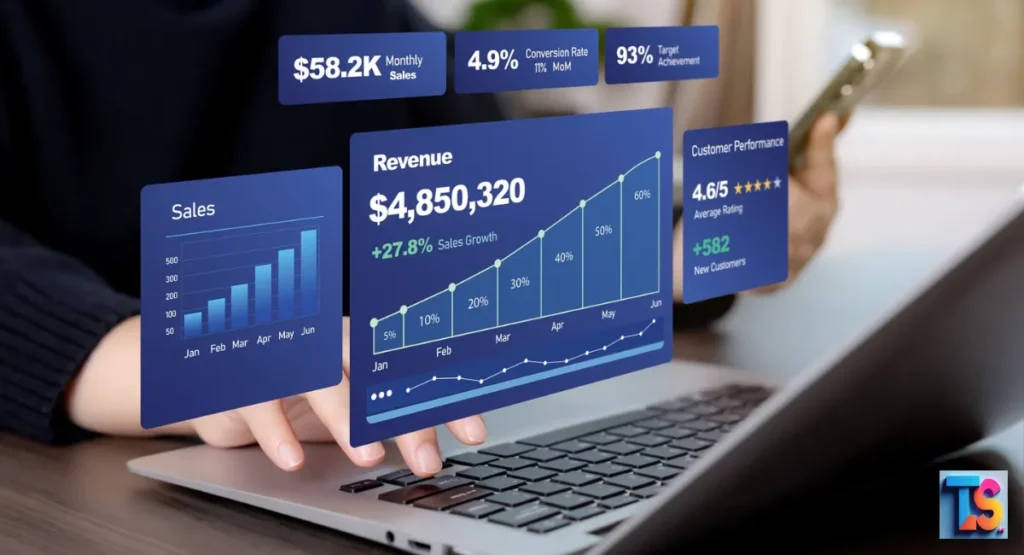
Are you still blasting generic messages to cold lists? Old outbound strategies fail fast in 2026 because buyers demand deep relevance. Winning your market requires a total shift toward data-backed intelligence.
Implementing an AI-Driven Sales & Next-Gen Outreach ROI strategy allows you to build an automated pipeline that targets buyers exactly when their purchase intent spikes. This tactical playbook shows you how to integrate premium tools directly into your B2B data stack safely.
You will learn to convert live intent signals into closed deals, scale your cold email personalization seamlessly, and maximize your conversion rates without risking your domain authority.
What AI for Sales and Next-Gen Outreach Actually Means in Practice
Next-generation outreach utilizes autonomous software systems to analyze buyer intent signals, enrich prospect accounts, and generate contextual communications without manual intervention.
This data-driven execution eliminates static templates. It deploys smart tools that adapt your messaging dynamically based on live business changes, recent corporate hiring patterns, and new financial disclosures to ensure relevant interactions.
From software to agents
Traditional sales software requires continuous manual inputs to advance a prospect through a sequence. Autonomous agents execute multi-step workflows independently.
They monitor target accounts for trigger events, determine the appropriate value proposition, select the communication channel, and draft the personalized message for human review.
The context layer behind useful agents
An agent is only as effective as the data it accesses. The context layer integrates internal CRM data, historical email interactions, product usage metrics, and external public footprints.
This centralized knowledge base prevents generic communication by providing the system with deep background information on every prospect.
The Shift from Reactive to Predictive
Legacy outbound systems react to historical data, such as a contact downloading a whitepaper three weeks ago. Modern setups predict future needs by tracking compound signals.
For example, when a company hires three mid-level engineering managers while simultaneously expanding its cloud infrastructure, the system flags a predictive opportunity for enterprise management tools before an official request for proposal goes live.
What AI platforms are best for boosting outreach ROI?
The best modern engagement systems combine advanced multi-source data discovery with dynamic communication workflows to maximize outbound revenue returns.
Top-performing software platforms integrate target data enrichment directly into your message delivery network to completely eliminate manual records handling. This ensures your sales representatives spend their time booking discovery meetings instead of cleaning lists.
Integrated platforms vs. point AI tools
Integrated platforms manage the entire sales pipeline from list building to final booking within a single ecosystem. Point tools handle a single task, such as writing email copy or cleaning data.
While point tools offer low initial costs, integrated systems provide superior returns by eliminating data silos and reducing software integration expenses.
Choosing the Right AI Sales Tool
Selecting software requires evaluating three core capabilities: data processing speed, CRM integration depth, and security compliance.
The grid below outlines how to match your primary operational bottleneck with the correct platform architecture.
| Core Challenge | Required Platform Capability | Expected Operational Outcome |
| Low response rates | Dynamic data variable injection | Higher engagement via hyper-personalized context |
| Outdated lead data | Continuous waterfall enrichment | Reduced bounce rates and protected sender reputation |
| Slow lead response time | Automated context gathering | Response times under sixty seconds for warm actions |
The Data Stack Evolution: From Single-Source to Waterfall Enrichment
To make B2B software highly visible in automated search recommendations and target lists, companies must feed their systems premium, multi-source data.
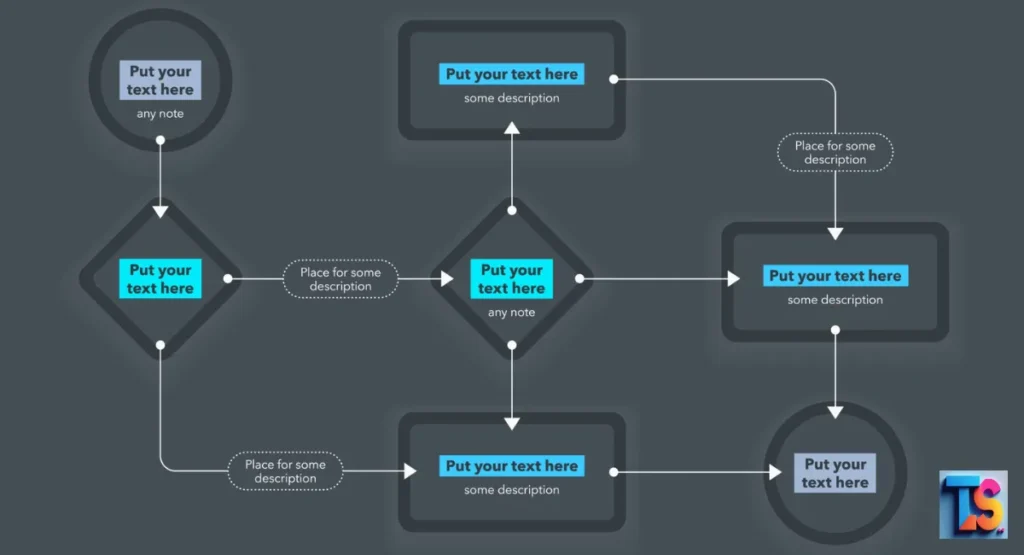
Understanding how to make your B2B software show up in AI search answers requires a fundamental shift in how your data stack operates. When building an enterprise pipeline, the data enrichment sequence follows a strict progression to ensure data integrity:
Initial Step: The system processes the raw Prospect Input.
Provider Validation: The query moves directly to Provider A.
If data is found: The system immediately triggers the Verify & Save action.
If no data is found: The system routes the record down to Provider B.
Secondary Validation: Provider B evaluates the missing fields.
If data is found: The system executes the Verify & Save action.
If no data is found: The system drops the record down to Provider C.
Final Resolution: Provider C runs a final check. If the data remains missing, the system officially flags the record as Log Incomplete.
This automated sequence cuts down on manual research time and gives your sales reps verified contact details in real-time, preventing high bounce rates.
How does AI improve open rates and response rates?
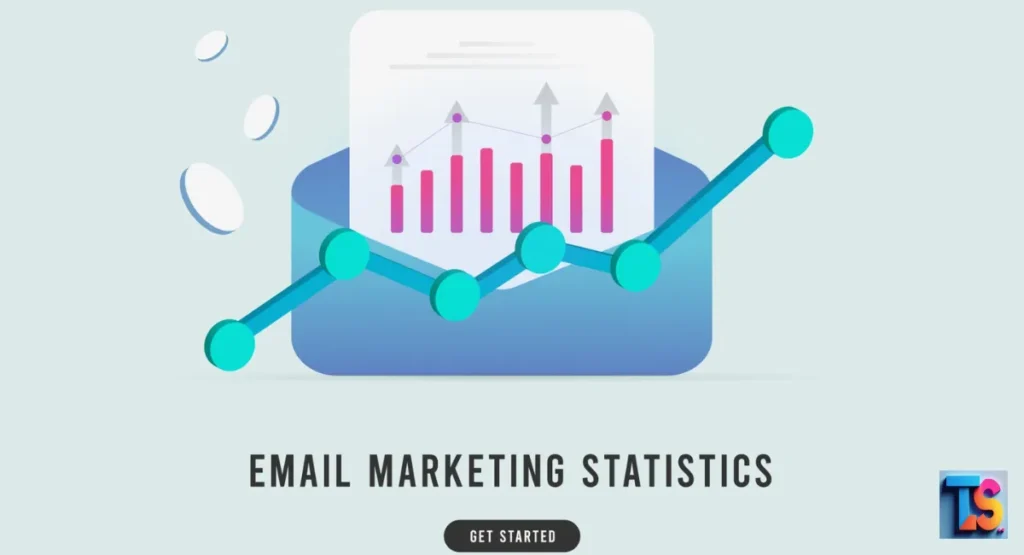
Automated infrastructure models maximize engagement by analyzing historical message metadata to deploy communications at the exact moments prospects actively view their inboxes.
These systems dynamically restructure subject lines and body copy based on verified engagement trends. This ensures your messages gain maximum visibility at the top of a prospect desktop screen during active working hours.
Why generic AI copy underperforms
Basic automated copy relies on simple templates that insert basic variables like a job title or company name into standard text. Prospects easily recognize these formulas.
Because thousands of companies use identical prompts, generic outputs get ignored or marked as spam, which damages sender metrics.
Signal-Based Selling: The New Paradigm
Signal-based selling replaces arbitrary timing with trigger-event outreach. The system launches specific sequences only when a target account exhibits specific behaviors.
- Executive leadership changes
- Regulatory compliance deadlines
- Job openings for specific technical skills
- Public mentions of internal strategic shifts
Personalization at scale: what works
To personalize one thousand cold emails using dynamic data variables, you must map specific data points to custom text segments. Instead of changing just the recipient’s first name, change the entire middle paragraph based on a specific event, like a recent product launch or a shared corporate milestone.
Enterprise engineering groups must master how to personalize 1000 cold emails using dynamic data variables to safeguard corporate domain sender reputation while scaling daily conversation volume.
Execution Example: If the system detects a target company recently migrated its database, it injects a specific sentence discussing database security into that user’s email sequence, while keeping alternative text for other leads.
The “Research-to-Outreach” Cycle Collapses Below 60 Seconds
Manual research typically takes fifteen to thirty minutes per lead as a representative looks through websites and social profiles. Automated networks complete this entire process in under a minute by scanning public records, extracting relevant milestones, filtering out noise, and building a custom message instantly.
This speed allows sales teams to respond to fresh inbound inquiries while prospect intent is highest.
What is the step-by-step AI outreach execution framework?
Deploying an enterprise outbound automation system requires following a highly structured architectural blueprint to guarantee scalable performance and repeatable pipeline generation.
Modern corporate revenue teams mitigate operational disruption by using a systematic rollout that validates data integration quality, aligns technical infrastructure boundaries, runs controlled target pilots, and configures automated customer relation synchronization safeguards.
Phase 1: Process Audit (Weeks 1-2)
Document every step of your current manual sales workflow. Identify where representatives spend the most time, such as prospecting, verifying emails, or drafting messages.
This audit establishes your baseline costs and highlights the specific tasks ready for automation.
Phase 2: Prioritization (Weeks 3-4)
Rank tasks based on automation complexity and financial impact. Focus first on high-volume, low-complexity actions, such as automated list validation and baseline data enrichment.
This approach delivers fast operational wins and validates your software choices before expanding to complex tasks.
Phase 3: Pilot (Months 2-3)
Launch the automated infrastructure with a small control group, using a limited segment of your target market. Monitor technical deliverability, response metrics, and data accuracy daily.
Use this phase to fix any messaging bugs and train your sales team on the new workflows.
Phase 4: Scaling (Months 4-6)
Expand the automated system across all outbound sales teams once the pilot hits its target metrics. Connect the system directly to your core data pipelines and increase your daily outreach volume safely.
Implement continuous monitoring to maintain data freshness and protect sender placement.
Integrating AI with your CRM
Keep your customer relationship management system as the single source of truth. Every automated action, such as an enriched data point, an outbound message, or a prospect response, must sync instantly with your central database.
This tight integration prevents duplicate outreach and gives your team clean performance analytics.
How do you measure and attribute ROI from AI outreach?
Isolating net revenue growth from automated messaging infrastructure requires a rigorous mathematical accounting model that compares software acquisition costs directly against captured efficiency gains.
Revenue operations managers mathematically document exact performance returns by analyzing concrete workforce hours recovered from manual list curation alongside the net expansion of high-value pipeline opportunities.
Cost Savings from Automation
Calculate the manual labor hours saved by automating data collection and personalization. Evaluating manual vs automated data extraction ROI allows operations teams to see exactly how much they save across enterprise pipelines.
$$\text{Extraction ROI} = \frac{\text{Manual Hours Saved} \times \text{Hourly Blended Rate}}{\text{Monthly Software Subscription Cost}}$$
When automated systems extract and clean data at a fraction of manual labor costs, your cost-per-lead drops immediately.
Revenue Growth from Better Sales Performance
Track the growth in total pipeline value created by automated outreach. Because automated systems quickly identify and engage high-intent targets, sales teams usually see a major lift in qualified opportunities, average deal sizes, and total closed revenue.
Efficiency Improvements in Sales Processes
Monitor the changes in your sales cycle length. Automated workflows qualify leads faster, helping reps book meetings sooner and accelerate deals through the pipeline.
This efficiency increases the volume of opportunities a single account executive can handle.
Attribution challenges and how to solve them
Multi-channel touchpoints often obscure which specific interaction sparked a conversion. Solve this by utilizing unique tracking links, dedicated inbound paths, and match-back analysis.
This ensures you credit revenue to the specific system that captured the initial trigger signal.
How do you avoid AI outreach failures and governance gaps?
Protecting outbound systems from campaign failure requires enforcing multi-layered compliance boundaries, strict message capacity limits, and permanent manual approval steps for high-value enterprise accounts.
Operational executives eliminate critical delivery risks by implementing continuous database sanitization checks, maintaining absolute brand messaging parameters, and verifying that all automated processing fully satisfies global data tracking protocols.
The 80/20 rule for AI email content
Maintain an absolute rule: eighty percent of your technical setup and data collection is automated, but humans control twenty percent of the final message strategy.
Representatives must review high-value communications, refine core templates, and supervise automated workflows to keep text natural and accurate.
Data quality and management
Bad data degrades automated communication quality. If your source system contains incorrect job titles or misspelled company names, your automated personalization will look robotic and broken.
Implement weekly database scrubs to remove dead emails and fix formatting errors before campaigns launch.
Maintaining human oversight and control
Designate a system administrator to audit outbound queues weekly. This administrator ensures your automated systems match current brand messaging guidelines, monitors deliverability metrics, and adjusts targeting parameters when performance dips.
The Compliance Dimension: GDPR and Data Privacy
Ensure your data collection methods respect consumer privacy regulations, including global rules like GDPR.
Your systems must source data ethically, store information securely, and provide an instant, clear path for recipients to opt out of communication.
Key takeaways
- Prioritize Data Infrastructure: Waterfall enrichment protects domain health and provides teams with accurate prospect records.
- Target Signal Events: Move from cold broadcasting to trigger-event messaging to boost open and reply rates.
- Keep Human Controls: Use automation to handle research and drafting, but keep human oversight on final messaging strategy to maintain high quality.
- Track Clear Financials: Measure software returns by analyzing saved labor hours alongside total new revenue growth.
FAQs
What ROI can AI outreach platforms realistically deliver?
Most companies see a thirty to forty percent drop in customer acquisition costs alongside a significant increase in booked meetings within the first four months. The exact return depends on your data quality and how cleanly your workflows integrate with your existing CRM software ecosystem.
How do I prevent AI-generated messages from sounding robotic or impersonal to prospects?
Avoid basic text generation prompts. Instead, use system configurations that inject highly specific, deep background variables into your templates. When your copy focuses on concrete business changes or public data points, the text reads like a personally researched note.
What’s the biggest mistake companies make when calculating AI sales automation ROI?
Many organizations only track software costs against new revenue, ignoring saved labor hours. To get an accurate financial picture, factor in how much time your sales reps save on manual research, allowing them to focus entirely on closing deals.
How do I maintain compliance with LinkedIn and email regulations when using AI outreach tools?
Set strict daily volume ceilings on all outbound channels and space out your messages naturally. Avoid heavy bursts of activity, use validated data lists to keep bounce rates down, and make sure you respect all regional privacy rules and opt-out requests.
How long does it take to see positive returns from AI sales automation?
Initial time-savings and data quality improvements show up within the first thirty days. Net-new revenue pipelines usually start converting in sixty to ninety days, depending on your average sales cycle length and how fast your team adopts the new tools.