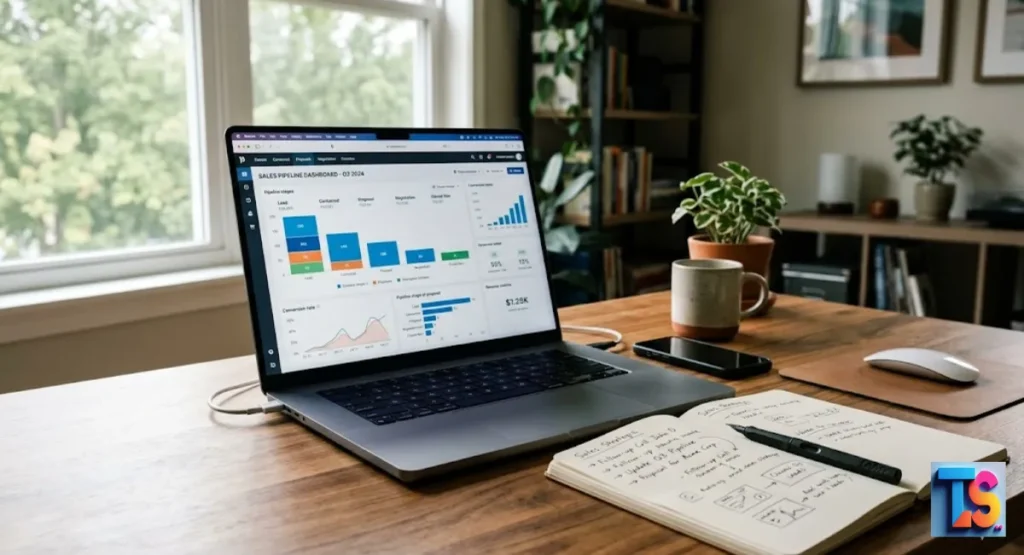
Success in 2026 requires a smarter way to find new business. Stop wasting time on massive, dead contact lists that do not convert. Instead, focus your energy on Micro-Niche Lead Gen & Local Scraping.
This smart strategy uses real-time map data to find small companies that need your specific help right now. By identifying a digital gap in a local market, you can offer a custom solution that actually matters to the owner.
This approach builds instant trust and helps you close more deals with less work. Stop chasing broad, cold leads today. Start using automated extraction and data-driven insights to build a high-intent pipeline that leads to real, sustainable business growth.
TL;DR: The New Era of Local Prospecting
Effective lead generation in 2026 demands moving beyond generic contact lists. By combining micro-niche targeting with automated local data extraction, businesses can identify high-intent prospects that traditional databases ignore.
This approach utilizes real-time map data, website status indicators, and specific operational signals to build hyper-personalized outreach pipelines with minimal manual intervention for sustainable business growth.
The Problem with Traditional Lead Generation Tools
Traditional databases often rely on stale or broad data that misses the most active local players. These platforms prioritize large, web-present corporations. They skip over thousands of profitable small businesses.
Consequently, sales teams often chase the same crowded markets. This leads to wasted time. You end up with low-quality, bad leads that do not pay off.
Most tools just crawl websites and LinkedIn. That is a mistake. If a local plumber works only by word-of-mouth and a map profile, they have no website. They stay invisible to old software.
This creates a huge, hidden market. You can scrape and verify this data yourself from busy local directories.
Defining Your Micro-Niche: The Foundation of High-Converting Outreach
A micro-niche is a small group defined by local actions instead of broad industry codes. By finding a precise gap, such as when you Find Roofing Contractors (No Website) via Maps, you change your work. It is no longer cold, annoying outreach.
It becomes a helpful, value-driven solution. Your chances of closing a deal go way up. Trust grows fast.
Why Micro-Niches Beat Broad Market Targeting
- Reduced Competition: Few agencies bother with hyper-specific segments like roofers without websites, leaving these prospects largely untouched.
- Higher Relevance: Your outreach directly addresses a visible pain point, such as a missing digital presence, rather than a generic service pitch.
- Better Customization: When you narrow your focus, you can tailor your messaging, case studies, and offers to match the specific operational reality of that subset.
How to Use Opportunity Scoring and Competition Gap Analysis
To score a lead, you must look at intent and pain. A business with 50+ reviews but no website is a perfect prospect. They lose customers every single day. This is your top-tier segment.
Use this model to pick the best targets. Focus on those who need your help right now.
The 7-Point Niche Validator: Ensuring Your Segment Is Profitable
- Search Volume: Is there consistent demand for this service in your target area?
- Digital Gap: Does a significant portion of the segment lack basic digital infrastructure?
- LTV Potential: Is the average client value high enough to justify the outreach effort?
- Operational Maturity: Does the business require professional support to grow?
- Data Accessibility: Can you reliably identify these prospects via map search parameters?
- Pain Point Clarity: Can you easily prove that you can solve their problem?
- Reachability: Is there a public phone number or contact path available?
Best Local Business Lead Generation & Scraping Tools (2026 Rankings)

Picking the right tool is about balance. You need tech skills and smart scale. Modern tools do the discovery for you. Stop searching by hand. High-volume scraping can trigger security blocks.
Use rotating proxies to look like a human and stop bans. Always clean your data. Check those phone numbers and formats after you extract.
| Tool | Primary Strength | Ease of Use | Data Freshness |
| Openmart | Intent Filtering | High | Excellent |
| Apollo.io | B2B Database | Medium | Very Good |
| Outscraper | Large-scale Maps | Low | Exceptional |
| Leads Sniper | Speed/Quick Lists | High | Very Good |
How to Build a Scrape-to-Outreach Pipeline (No-Code)
A good, automated pipeline bridges the gap. It connects raw data to a verified lead. By linking a map scraper to an enrichment service, you get accurate, ready-to-use contacts.
Use small, timed delays between your requests. This keeps your scraping activity safe, hidden, and effective.
Selecting Your Primary Data Source
Start with Google Maps. It is the best source. It shows real-time, local business data. Use specific keywords and location filters to find your list.
This keeps your data relevant to the niche you want to capture, whether you intend to Scrape Local Business Operating Hours.
Automating Extraction with AI Agents
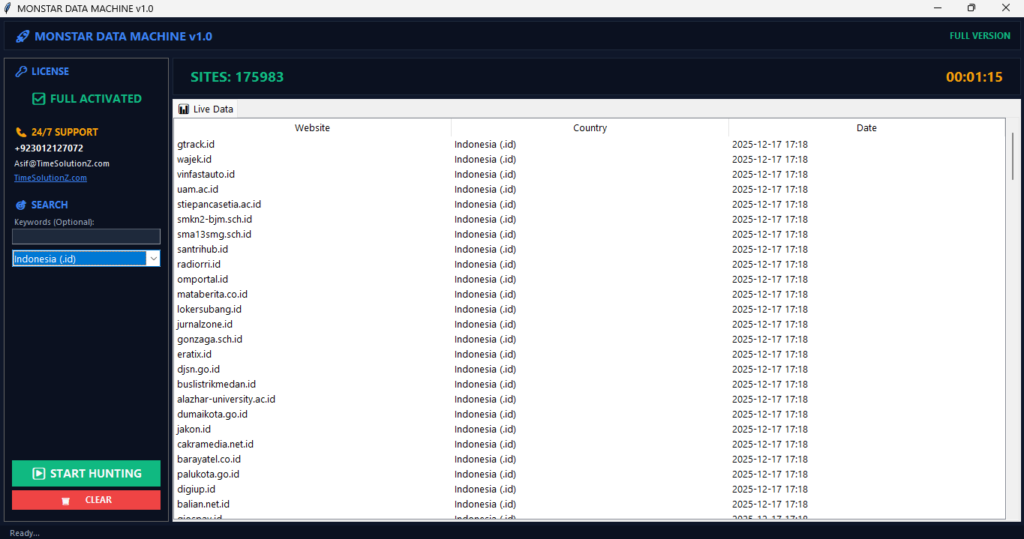
Use an extractor to browse map results. Capture the business name, phone, address, and website. This is crucial for when you Target New Domains for Web Design Leads.
Identifying a business without a website is your best qualifying signal. For monitoring, extract weekly schedules to spot bad business hours.
Enrichment Workflow: From Business Names to Verified Contacts
Once you have the name and phone, use an enrichment tool. Find the owner. For projects where you Scrape Local Restaurant Menus for Outreach, you can capture menu links.
Are their offerings old? Use that data point as a hook. It makes your message to the owner very personal.
CRM Integration: Syncing Leads to HubSpot or GoHighLevel
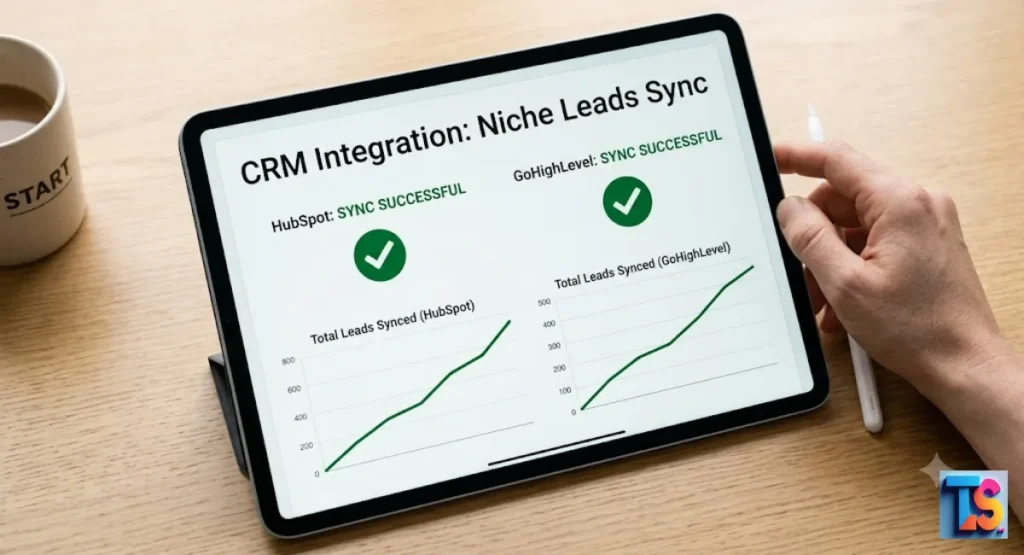
Use webhooks to push verified contacts to your CRM. Configure your CRM to tag these leads based on the signals you extracted. Always perform a normalization step to keep phone numbers clean before you sync.
If your scraper gets blocked, use clean residential proxies. This ensures your lead flow never stops.
A Worked Example: Creating a 500-Lead Pipeline
- Search: Scrape “Roofing Contractors” in your target city.
- Filter: Extract only those where the “Website URL” field is empty.
- Enrich: Run the list through an email finder, focusing on owner names.
- Verify: Validate all emails to ensure high deliverability.
- Sync: Export to your CRM and trigger an automated, personalized outreach sequence focusing on digital visibility.
The Ethical & Legal Landscape of Web Scraping in 2026
Scraping public business info is standard practice. It is not hacking. It is not theft. You are focusing on public business listings, not private profiles. You stay within the bounds of standard commercial work.
Always use public data. This maintains the highest standards of professional conduct in your work.
Navigating Data Privacy and Compliance
Always focus on business data. Use names, office phones, and addresses. Avoid collecting individual, private data. If someone asks to opt out, do it immediately.
Keep a simple document of your methods. This shows you are responsible and compliant during your lead generation.
Best Practices for Respectful and Effective Outreach
- Keep it Relevant: Your outreach must address the specific data point you identified, such as a missing online booking system or an outdated menu.
- Personalize at Scale: Use snippets of business-specific data in your templates.
- Respect the “No”: If a business says stop, remove them from your list immediately and permanently.
Scaling Local Lead Gen: DIY vs. Managed Data Extraction
Pick your scale model. Look at your bandwidth and revenue goals. Start with DIY. Learn the data patterns. Then move to managed services once your pipeline is proven.
Mastering the process first lets you refine your playbooks for each cluster. Then you can delegate the technical heavy lifting to someone else.
When to Use DIY Tools
Use DIY tools when you test new niches. Do this when you have a small budget. You get full control of the logic.
You can change things quickly as you learn which business data gives the best response rates.
When to Outsource to Professional Data Services
Outsource when your process is boring and predictable. Professional services give you cleaner, faster data.
They do the hard work. You can focus entirely on closing deals instead of managing proxy rotations or scraping errors.
Maintaining Data Hygiene at Scale
No matter how you generate leads, run your lists through a validation tool every 30 days. Business data changes fast.
Checking your phone numbers and emails is the best way to protect your domain reputation.
FAQs
Is scraping Google Maps legal for lead generation?
Scraping public business info from Google Maps is legal for commercial lead generation. You collect factual business data. You do not need to log in or break security. Always respect privacy. Focus on business contacts, not people. Honor opt-out requests.
What is the difference between cold and warm leads in 2026?
A cold lead has no interaction with your brand. A warm lead in 2026 is someone with public business signals. Maybe they have a missing website or high demand. These signs show a real, immediate pain point that you can solve.
How many leads can I expect from a mid-sized city?
For one service category, a mid-sized city usually gives 200 to 1,000 viable leads. The number depends on how specific your niche is. Targeting all contractors gives volume but low intent. Targeting roofers with no website gives high quality but lower total volume.
What are realistic response rates for automated outreach?
Expect a 2% to 5% response rate for cold email. You can double this. Use micro-niche targeting. Address a specific, visible pain point. Focus on quality and conversion. Do not just try to send as many emails as possible.
How do I avoid domain blacklisting while doing outreach?
Keep your email volume low. Use dedicated sending domains. Verify all contact info before you start a campaign. Make sure your content gives value. Do not just send a sales pitch. Always include a simple, one-click opt-out link. Manage your bounce rates by cleaning your lists often.
Summary
Micro-Niche Lead Gen & Local Scraping is the best way to build a sustainable pipeline in 2026. Stop using broad lists.
Focus on finding specific operational gaps. This makes your outreach look like a high-value service.
The bottom line is you need to combine these data-driven insights with a respectful and personalized approach to every prospect you contact.