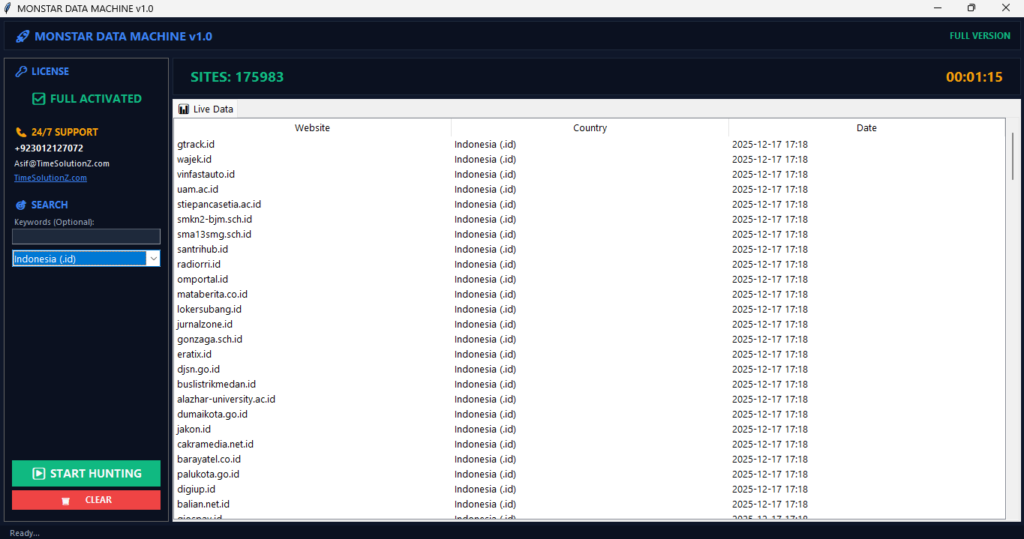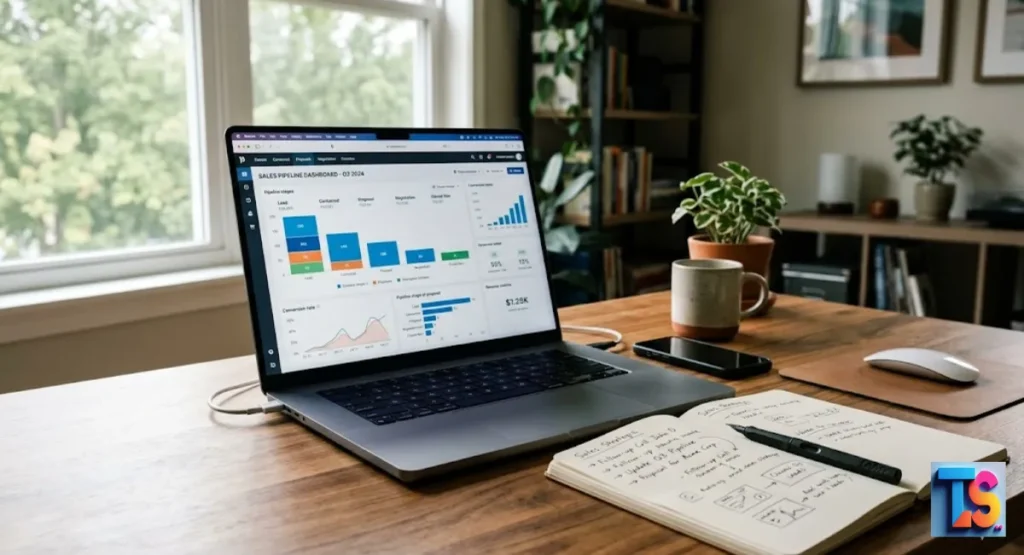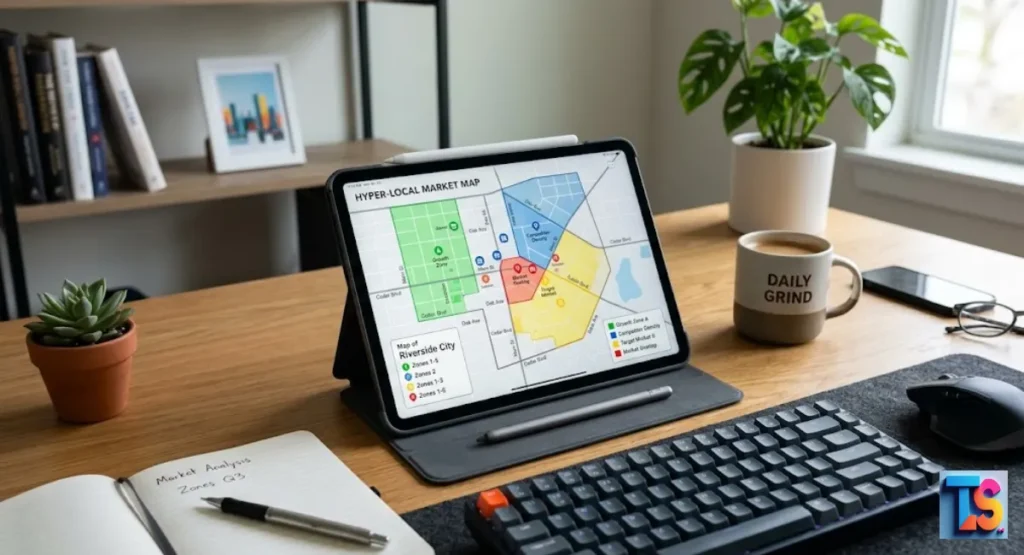
Hyper-Local Competitive Intelligence is your secret weapon for winning on every single street in your town. Instead of looking at big, blurry national maps, you get a sharp, clear view of your neighborhood’s heartbeat.
By watching local market trends and tracking what nearby shops do, you stop guessing and start growing. This smart way of doing business helps you see competitor pricing moves before they even happen.
It is the best way to find untapped growth opportunities right in your backyard. When you use this data, you connect deeply with your neighbors and build a customer-first strategy that truly sticks. It is time to master your own backyard.
What Is Hyper-Local Competitive Intelligence?
Hyper-Local Competitive Intelligence gives you a super close look at what happens in just one neighborhood. You stop guessing with big national numbers.
Instead, you get real facts about local prices, how many rivals are nearby, and what people want on their own block. This helps you grow your business fast.
You treat a small two-mile circle like its own tiny world. Big data hides the small problems, but this deep look shows you the exact price gaps that make people pick one shop over another.
By watching these tiny changes, you can stay ahead of rivals and keep your business running smoothly in every single spot.
Why Hyper-Local Insights Matter: Context is King
National averages often miss the mark on your specific street. Businesses fail when they use the same plan for every single town. They lose money.
But, these local insights give you the right info to spend your cash wisely. Your marketing and plans will finally match how your actual neighbors act.
When you ignore the local scene, you might set prices too high where people are broke or run out of stock where everyone is buying.
Masters of this data fix their inventory in real time. This keeps them ahead of everyone else. You serve the community better. It works.
Key Dimensions of Hyper-Local Competitive Intelligence
Firms fail when they use old snapshots that hide big neighborhood changes. This leads to bad spots and lost cash. The fix needs a Real-time competitor pricing tracker, checking how good the local tech is, and watching for new store sign-ups.
These steps let you match your speed to the real world.
Mapping Competitor Store Networks to Spot Whitespace Opportunities
Companies often struggle to find where people need more help, which means they lose out on new spots to open. By drawing out where rivals have shops, you see the exact empty spaces in their map.
This fix lets you place your new stuff or target areas they ignore. You grab the sales.
Studying Local Demographics to Benchmark Competitor Positioning
Businesses often mess up their pitch by thinking every place is the same. People do not like that. Demographic benchmarking looks at who lives near you compared to who buys from the other guy.
This shows you exactly where rivals are wrong, so you can change your words to win the locals over.
Footfall Patterns and Location Efficiency Benchmarking
Your work slows down when you don’t know why one shop makes more money than another. Vague data stops you from fixing your sites. Footfall analysis tracks how people walk near your doors.
This helps you see if your location is great or if your team is just better. You then fix your spots for more sales.
Detecting Store Overlap and Cannibalisation Risks in Competitor Networks
Firms often hurt themselves when rivals grow too fast without a plan. This mess kills your profit and makes you weak. Store overlap detection looks at how packed an area is to show you the crowded zones.
Finding these weak spots lets you hit the rival where they are too stretched and ready to break.
Predicting Competitor Store Performance Using Revenue Proxies
Companies are blind when they cannot see how much cash a rival is making. Without this, you cannot plan your next move. Revenue proxies, like counting cars in a parking lot or watching job growth, guess how well a rival is doing.
This helps you see which shops are winning and which are dying.
Technologies Behind Hyper-Local Intelligence
Manual tracking is too slow and makes you lose to faster rivals. This stops you from acting when things change. The fix uses automatic data pipelines to watch the market 24/7.
These tools watch variables constantly. They act like a loud alarm system that keeps you safe from sudden traps.
Automated Data Pipelines vs. Manual Tracking
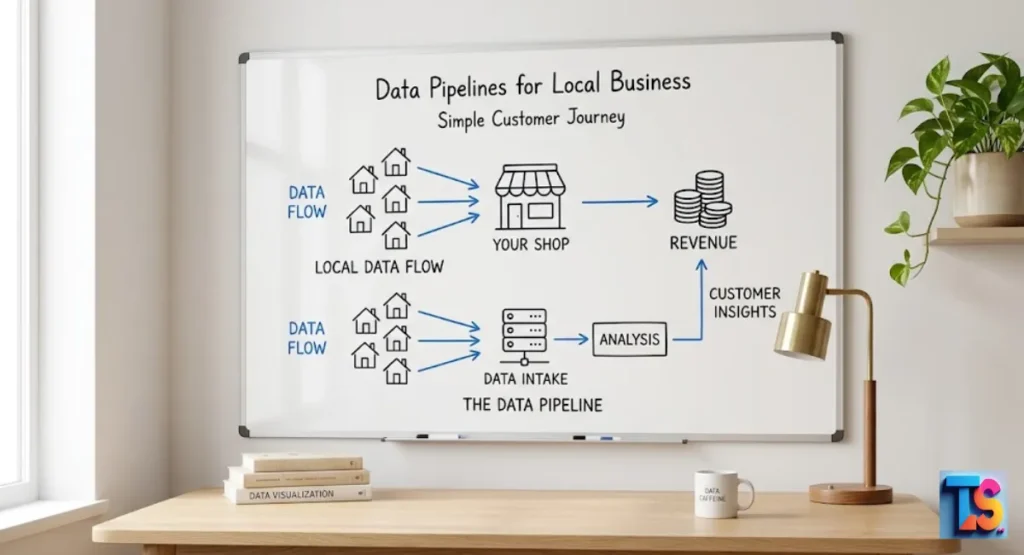
Automated pipelines use smart scripts to watch changes in rival service zones, local price tags, and new shop sign-ups as they happen. Manual tracking is bad because it is slow and small.
Automation keeps your data fresh, real, and big across every single one of your locations. You win.
AI-Powered Competitive Insights
Smart models look at giant piles of data to find hidden trends, like small changes in how a rival prices items or shifts their stock.
These systems see weird patterns that a human eye might miss, like a price hike in one zip code versus the next. They find the truth.
Implementing Hyper-Local Competitive Intelligence in Your Retail Strategy
Using this info means putting deep facts into your pricing, trucks, and ads. A big problem is not seeing a rival fall until you already lost your slice of the pie.
By using tools to check site health, such as those that Find businesses with expired SSL or Extract local citation gaps for SEO, you stop threats early.
| Strategy Component | Hyper-Local Application | Expected Outcome |
| Pricing | Real-time competitor pricing tracker | Higher conversion and optimized margins |
| Inventory | Track new local business registrations | Reduced waste and increased service speed |
| Marketing | Scrape service areas for local contractors | Improved return on ad spend |
1. Pricing Optimization
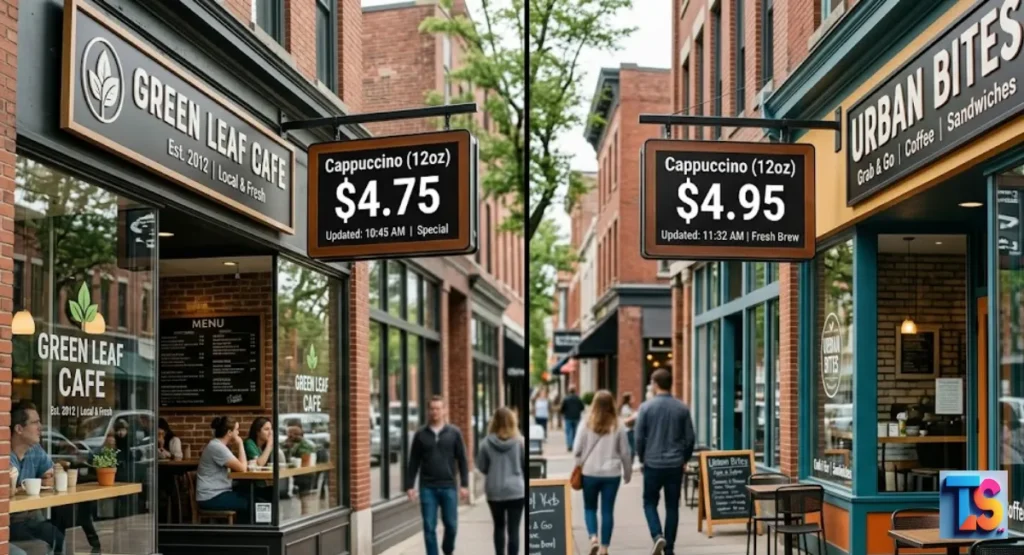
Pricing optimization means changing your costs to fit the exact spot of one shop. A Real-time competitor pricing tracker lets you watch price jumps as they happen.
This keeps your deals looking good without losing your profit. If local needs are high and rival supply is low, you make more money.
2. Product Positioning & Inventory Planning
Inventory planning at the local level keeps the right goods where people want them most. By using tools to Track new local business registrations, you guess demand shifts before rivals do.
This lets you match your stock with new local groups. You stop overstocking and lead in busy spots.
3. Enhance Marketing Strategies
Better marketing uses local data to send messages that hit home with specific neighbors. You can Scrape service areas for local contractors to see where rivals are tired or gone.
At the same time, Find businesses with expired SSL to see who is being lazy with tech, or Extract local citation gaps for SEO to rule the search results in empty zones.
Compliance and Data Sovereignty Considerations
Staying legal means following strict rules on privacy and how you use data when gathering your tips. Companies often find legal trouble when they scrape too much data.
The fix is building honest pipelines that follow local laws and stay clear on how you use info. Your edge stays strong and safe.
The Future: Predictive Hyper-Local Intelligence
The future of business is guessing what comes next, where old data and live signals show market shifts before they start. Companies struggle with waiting for things to happen, which slows them down.
By using smart tools, you know where sales will jump and where rivals will trip. You gain power for two years.
FAQs
What is the difference between local and hyper-local competitive intelligence?
Local intelligence looks at big city or state trends. Hyper-local intelligence zooms in on specific neighborhoods, zip codes, or even street-level moves. It gives you a much deeper view of the small details that make a customer choose you. It is precise. You get it.
How does hyper-local intelligence impact regional pricing strategies?
It lets you change prices based on the exact spot rather than one flat rate for the whole region. If a rival is weak in one neighborhood, you raise prices to make more money. In areas with many rivals, you automate price matching to keep your customers. It is smart.
Which data sources are most critical for hyper-local competitive benchmarking?
The best sources are real-time price feeds, records of new local business sign-ups, data on foot traffic, and local search trends. These numbers give you a mix of cash, work, and people insights needed to judge how well rivals perform. You need these facts. They work.
How can businesses ensure data accuracy in hyper-local reports?
Businesses ensure truth by using automatic, checked data pipelines that pull info from public records and big web sites. By cutting out human work and setting strict rules for data, firms stop errors. They make sure every move is based on a clean and current pile of facts. It works.
The Bottom Line
That mastering Hyper-Local Competitive Intelligence lets you go beyond big averages to work with total focus. By using these deep facts, you can find hidden openings, fix prices, and beat rivals in real time.
In a world where what people want changes every block, this local focus is now a must. You need it.