Scrape local restaurant menus for Outreach to find your next big client. This smart strategy helps you identify shops that need better digital menu design or web fixes. By looking at food lists, you can see if a business lacks online ordering or has outdated prices.
This makes your sales pitch much stronger. You stop guessing and start helping owners grow their local business revenue. Using data-backed insights builds trust fast, moving you past generic sales emails.
Whether you aim to improve their user experience or site layout, this process provides the proof you need. It is the best way to get real results in a tough, busy market.
To elevate your outreach to the next level, incorporate Micro-Niche Lead Gen & Local Scraping into your strategy, ensuring you reach the right client every single time.
Why Menu Data is the Foundation of Local B2B Outreach
Menu data serves as your most valuable asset for effective, menu-driven lead generation. You analyze food lists, prices, and health info. You quickly spot local shops that need your help.
This deep look makes your emails feel real. It turns cold outreach into a helpful chat about their web presence. It builds a better brand for them today.
Mobile phones make menu access a big deal for local success. Menus act as the digital fingerprint of a shop. They reveal the brand’s quality. High-quality data helps you create offers that fix owner pain points.
Use these insights right. You will boost your lead generation and build stronger, long-term business relationships.
Why Scrape Local Restaurant Menus?
Scraping menu data uncovers hidden growth chances in the local landscape. Stop relying on guesswork. Get exact info on food, pricing, and site layouts. This turns your daily search into a data-backed plan.
You identify shops struggling with their online look. Then, you offer the right tech fixes.
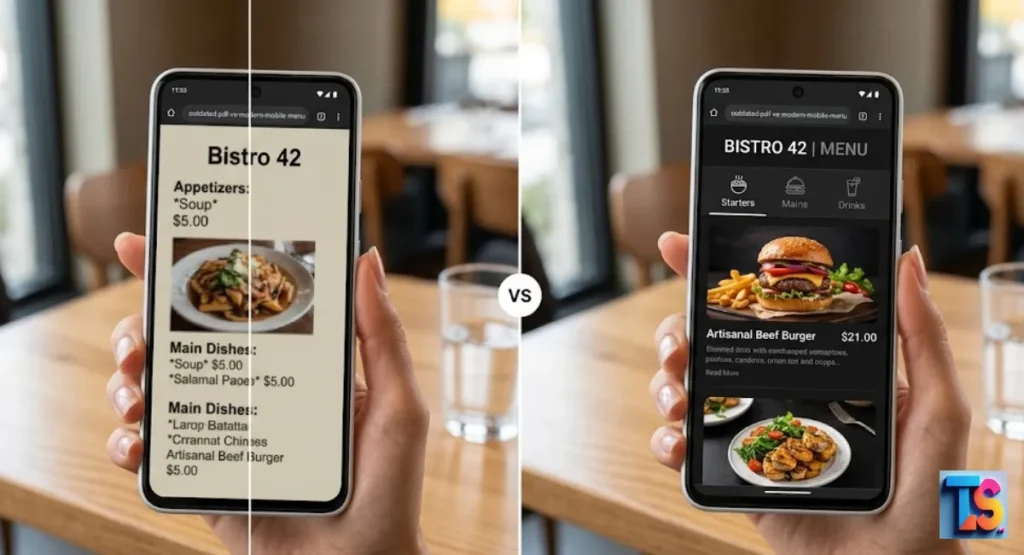
You can pinpoint shops that rely on old PDF files. They should use modern web pages. It is easy to find businesses with missing price lists. This hurts their sales.
You can also find spots that have not updated their digital menu for years. This lets you see venues lacking clear dietary labels. You can fix this.
This technique is not limited to restaurants; you can similarly Find Roofing Contractors via Maps to identify service providers who urgently need to upgrade their online presence
Identifying Ideal Customer Profiles (ICPs)
Finding the right customers starts with looking for technical weaknesses. When you spot businesses using outdated designs, you act. You prioritize leads that really need your professional help.
This simple plan ensures you contact the right owners. They will appreciate your services now.
Target shops that rely on hard-to-read PDF files. Spot businesses with missing price lists. These frustrate hungry customers. You should also target local spots that have not updated their digital menu in over a year.
Identify restaurants that lack clear dietary labels. This drives away local diners who need safety info.
Targeting High-Value Prospects
High-end restaurants often manage bigger budgets. They seek nice digital upgrades to attract customers. Scraping helps you isolate these premium spots. You spend your time on leads with high-value potential.
This strategy leads to better pay. You build longer-lasting partnerships for your agency. Focus on clients who prioritize quality and growth.
Look for shops that show higher prices on their menus. Identify restaurants with complex service models. They need expert digital management. You should prioritize businesses that invest in their physical branding and guest experience.
Filter for owners who value professional marketing and design services. This helps them stay competitive.
The Power of Menu-Specific Personalization
Generic messages rarely work in today’s market. When you highlight a specific dish or a price gap, you prove you did deep research. This personal touch builds immediate trust.
It changes the interaction from a pushy sales attempt into a helpful talk. That is essential for closing deals in a tough business market.
Mention specific dishes to show you looked at their current offerings. Point out missing technical details to highlight your value. Frame your outreach as a helpful tip.
Not a standard sales pitch. Use your findings to suggest specific improvements. Help them attract more hungry customers.
Essential Data Points: What to Extract
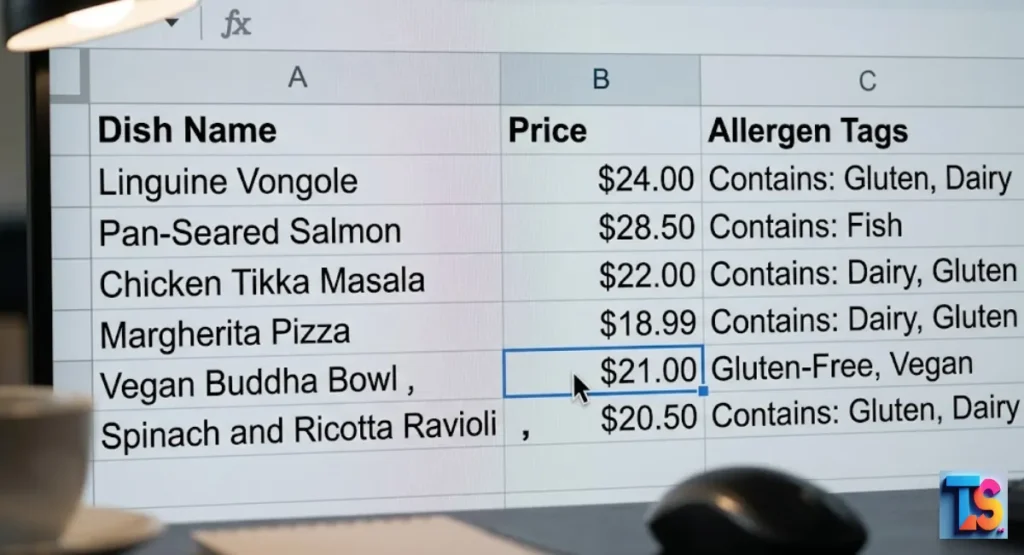
Effective data collection identifies exactly where a business fails to reach its local audience. You should monitor item popularity, price points, and technical gaps like missing dietary labels.
These details turn a list of prospects into a strategic map. You tailor your support to the unique realities of each kitchen.
| Data Point | Why It Matters |
| Item Popularity | Reveals best-sellers and promotional focuses. |
| Pricing Strategies | Indicates if the restaurant is budget or luxury. |
| Dietary Tags | Highlights potential liability or accessibility gaps. |
| Formatting Type | Shows if the menu is a modern site or an old PDF. |
Additionally, you should Scrape Local Business Operating Hours, as correcting inaccurate timings for local businesses serves as the perfect ‘foot-in-the-door’ offer to start a professional relationship
Menu Item Popularity and Dish Categories
Analyzing popular items uncovers the core revenue drivers for local restaurants. If a shop highlights high-profit dishes, they care about marketing success. This data helps you see where they need help.
They need mobile-first menu design. Keep those items front and center for local diners searching on their phones every day.
Reveal core revenue drivers by analyzing popular menu items. Determine if the owner invests in promoting high-margin dishes. Identify chances to implement mobile-first menu design.
Align your service offerings with the specific profitable products of the business. Show you understand their sales model.
Pricing Strategies and Competitor Monitoring
Pricing data shows exactly who a restaurant wants to serve. By looking at these numbers, you can compare local rivals. You can approach a business owner with a plan.
Help them match their prices to the local market. Add high-value items to their menu to make more profit.
Use price points to determine the primary customer demographic. Compare local rivals to identify who is losing market share. Approach owners with strategies to increase their average order value.
Offer suggestions to improve local market positioning. Use better pricing structures to appeal to their audience.
Dietary Tags and Allergen Information
Transparency regarding allergens is a major legal and customer service need today. Many restaurants fail to list these items clearly. This creates significant liability.
Finding this gap gives you a clear opening. Offer website updates or better digital menu design. This protects both the owner and the local diner.
Check menus for visible allergen warnings or dietary symbol labels. Identify businesses that may be at risk due to lack of transparency. Pitch your services as a way to improve customer safety and trust.
Highlight how clear labeling improves the overall guest experience for everyone who walks through their door.
Add-ons and Customization Data
Extra options show if a restaurant is good at digital sales. If a menu makes it hard to add toppings, they are losing money. By spotting this, you can offer a better digital checkout flow.
This makes it easy for guests to spend more. It increases the average customer ticket size.
Evaluate how the restaurant manages its digital checkout flow. Spot lost revenue caused by a lack of customization options. Offer solutions that improve the digital ordering experience for guests.
Increase the average ticket size by implementing better upselling features. Make it easy for diners to customize their orders while ordering online.
How to Scrape Local Restaurant Menus
Scraping requires balancing technical speed with respect for the target website. You should use professional tools that read site data without disrupting server speed.
By using automated outreach workflows, you maintain a fresh database of leads. Focus on solving business owner challenges. Stop manually searching for contact details.
Use browser tools to capture data from simple, static restaurant pages. Use advanced scripts to pull data from complex, interactive web menus. Select software that saves files in easy formats like CSV or JSON.
Check that your tools connect well with your current customer database software. This saves you time and energy.
Choosing the Right Tools and Methods
Selecting the correct tools allows you to gather high-quality data efficiently. Whether you use browser extensions for simple tasks or advanced scripts for complex sites, your choice impacts your success.
Always prioritize tools that export clean data. It is easier to manage your list and conduct successful, targeted local market analysis.
Use browser tools to capture data from simple, static restaurant pages. Use advanced scripts to pull data from complex, interactive web menus. Select software that saves files in easy formats like CSV or JSON.
Check that your tools connect well with your current customer database software for the best possible project results.
Navigating Different Data Sources
Menus live on official websites, social media, and food delivery apps. Start with the official website. It has the most reliable contact info. Using many sources makes your data more accurate.
This is the most important part of keeping your lead generation conversion rates high while you do your daily prospecting.
Gather info from official websites, social media, and delivery apps. Prioritize official sites to ensure the most reliable contact info. Apply a multi-source approach to maximize data accuracy.
Maintain high lead generation conversion rates by verifying info across platforms. Ensure your outreach remains effective and professional for your new clients.
Ensuring Data Quality: Normalizing and Deduplicating
Raw data is often messy and full of duplicate entries. You must fix phone numbers and remove repeats. This keeps your lead lists usable. Clean data prevents errors. It ensures your outreach remains professional every time you contact a prospect. This is vital for effective lead qualification work.
Standardize all phone numbers and addresses to ensure consistent formatting. Remove duplicate business entries to avoid contacting the same person twice. Verify contact names to ensure your messages reach the correct decision-maker. Keep your data clean to maintain a high level of professionalism in outreach for your growing local business client base.
From Data to Deals: How to Use Scraped Insights for Outreach
Beyond established businesses, you should also Target New Domains for Web Design Leads, as new domain owners frequently require immediate professional help to build their digital identity.
Data only generates revenue when you utilize it to drive meaningful action. Sort your prospect list by the specific needs identified during your research. The goal is to provide a solution that feels tailored.
Show the owner you analyzed their current digital status and have a clear, effective plan to assist them.
Group restaurants that need a new mobile-first menu design for easier viewing. Sort shops that lack online ordering by their current technical capacity.
Separate businesses by their price level to tailor your service packages. Organize by location to manage your time and travel if you visit in person to talk to owners.
Segmentation Strategies for Targeted Outreach
Grouping your leads by their unique needs makes your outreach much more effective. Instead of sending one message to everyone, you can create tailored pitches.
This approach improves your response rates. It shows potential clients that you understand their business. This builds confidence in your professional service abilities.
Group restaurants that need a new mobile-first menu design for easier viewing. Sort shops that lack online ordering by their current technical capacity.
Separate businesses by their price level to tailor your service packages. Organize by location to manage your time and travel if you visit in person to help them grow.
Crafting Personalized Sales Pitches
Use your scraped insights as the primary hook for your email or call. Mentioning a specific missing label or an old menu link shows you did your homework.
A note saying their menu is hard to read on a phone is much more helpful than a sales letter. It builds authority and captures attention.
Use your scraped insights as the primary hook for your email. Mention specific missing labels or technical errors found on their site. Demonstrate that you have done the necessary homework.
Build authority by framing your pitch as a professional consultation rather than a generic sales letter. This helps you earn the trust of owners.
Timing Your Outreach Based on Menu Updates
Watch when a menu changes to time your communication perfectly. If a shop adds new items, they are actively trying to grow. Reach out when they are already focused on their menu.
They are more likely to be receptive to services that support their ongoing growth and improve their digital menu performance.
Monitor restaurant websites for updates to pricing or new menu items. Reach out when owners are already engaged in improving their business offerings.
Offer services that align with their latest growth efforts. Keep track of when menus change. Ensure your outreach is always timely and relevant to their current business needs.
Legal and Ethical Considerations in Web Scraping
Ethical scraping respects the website owner and follows industry standards. Always check the site rules to see what is allowed regarding automated access. Scraping should never disrupt a website’s performance for real customers.
Following these rules protects your professional reputation. It ensures your methods remain a reliable part of your business growth.
Read the site policy to see if they allow automated data access. Avoid trying to enter pages that require a password or private login. Follow the instructions found in the public site files that guide web crawlers.
Keep your data collection activities aligned with local privacy laws and standards for maximum business safety.
Understanding Terms of Service and Compliance
Reviewing the terms of service ensures you stay on the right side of the law. While public data is generally accessible, you must avoid private or password-protected areas.
Respecting these boundaries keeps your data collection activities safe. It prevents any issues with local business owners while you work on your lead generation strategies.
Read the site policy to see if they allow automated data access. Avoid trying to enter pages that require a password or private login. Follow the instructions found in the public site files that guide web crawlers.
Keep your data collection activities aligned with local privacy laws and standards for your peace of mind.
Best Practices for Ethical Crawling
Use reasonable delay times between requests to prevent server strain. Try to scrape when the restaurant is not busy to avoid any issues with site speed for their diners. Acting with respect helps you stay unblocked.
It shows you are a professional. This helps when you eventually reach out to the owner for business.
Use reasonable delay times between requests to prevent server strain. Limit your crawling to off-peak hours to avoid interfering with site speed. Ensure your IP address remains unblocked through respectful behavior.
Maintain high professional standards. This is vital when you eventually contact these business owners for potential partnerships and long-term professional success.
FAQs
Is it legal to scrape publicly available restaurant menu data?
Yes, it is standard practice to scrape public info if you respect the site owner. Just check the site rules and ensure your work does not crash their page. By avoiding robot-like behavior, you keep your data collection efforts safe and compliant.
What is the best way to handle dynamic, JavaScript-heavy websites?
You need tools that act like a real browser to load the page content fully. These tools wait for the site to finish building pictures and text before capturing the data. Without this, your collection will only see an empty page.
How often should I refresh my scraped menu database?
Check your data every three months at most to maintain accuracy. Restaurants change their prices and dishes frequently, and old data leads to ignored emails. Keeping your list fresh ensures your outreach stays relevant and builds trust.
Can I automate the process of adding scraped leads to my CRM?
Yes, you can use programs that link your data tool to your management software. This moves new leads into your system automatically and saves you hours of manual work. It lets you spend your time closing deals and helping owners.
Summary
Scraping local restaurant menus provides a powerful, effective way to find new work. By using data to spot specific problems, you offer help that truly matters.
Always follow good rules, keep your data clean, and stay personal in your messages. This strategy will help you build long-term trust and get more clients.
Prioritize ethical data collection methods to protect your reputation. Use your gathered insights to provide real value to potential clients.
Keep your messaging personal and relevant to increase your success rates. Focus on building long-term partnerships through consistent and helpful outreach efforts.