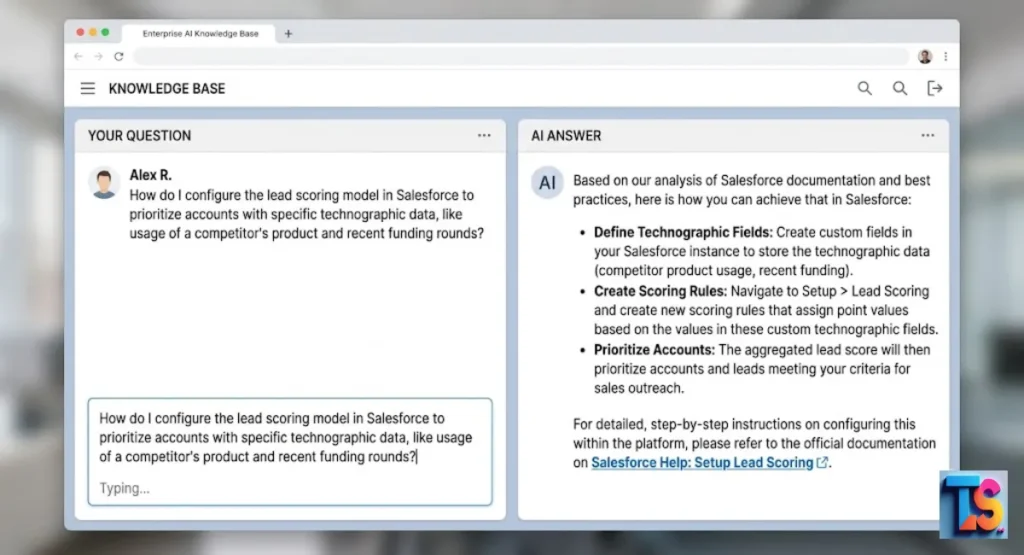
Buyers do not look for software the way they used to. They now ask conversational tools complex questions. If your brand is invisible here, you lose high-value leads. To win today, you must optimize your site specifically for how engines read.
You want your B2B software shows up in AI search answers to capture active purchasers. This requires clear content formatting and strong trust signals across the web. Implementing generative engine optimization ensures bots extract your product metrics easily.
Focus on building real brand authority through clean, structured data and external platform reviews. This approach changes your visibility completely. It makes your software the top recommended choice.
Your Buyers Changed How They Search: Your Content Didn’t
Modern corporate purchasers now use intelligent conversational networks to evaluate tools, contrast technical details, and gather software reviews in a unified window. Standard digital resources using vague promotional vocabulary or burying core metrics inside dense text blocks completely fail within this modern setup.
Automated systems prioritize direct, factual explanations, meaning confusing layouts cause your business name to get bypassed entirely. The way procurement professionals search has changed fundamentally over the past few years.
Instead of sorting through traditional search links, modern software buyers want immediate summaries that evaluate options instantly. If your blog posts do not feature clear, structured answers, smart software tools will simply scrape information from your competitors instead.
What Is Generative Engine Optimization?
Generative engine optimization means formatting your digital platforms so conversational systems can easily discover, interpret, and suggest your software applications. This approach concentrates heavily on text simplicity, technical grid frameworks, and absolute informational precision.
These clear upgrades ensure that when a smart discovery engine builds a customized reply, your application lands a spot as a top choice. This optimization method adapts your existing web presence to the unique habits of advanced online answer bots.
It requires changing the structural layout of your articles and corporate announcements so data extraction networks can find your value propositions instantly. By making your data highly accessible, you secure consistent visibility across multiple conversational summary platforms.
How GEO Is Different From Traditional SEO
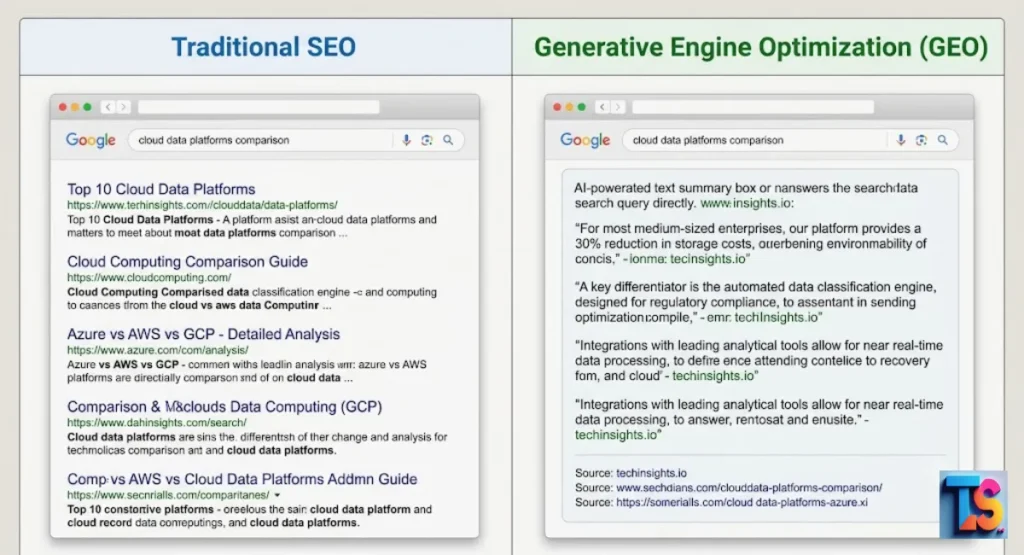
Traditional discovery optimization drives web traffic by focusing heavily on specific keyword recurrence, hidden code titles, and building hyperlinks to rank a specific page first.
Conversely, modern generative engine optimization focuses entirely on how smoothly a summary bot can pull direct statements from your article to resolve a user question. This changes your primary goal from earning isolated link clicks to securing actual brand placements. When you focus on the old model, you care mostly about where your link sits on a standard results index.
The new model cares about becoming part of the active text answer that the user reads. This requires a strong shift toward clear sentence structures and plain language that database systems can understand without confusion.
Is GEO The Same As Answer Engine Optimization or AI Search Optimization?
These industry phrases refer to the same foundational plan of structuring website materials for modern conversational tools. Every single one of these concepts prioritizes configuring text blocks so automated summary software can extract corporate details without encountering formatting blocks.
Whether someone searches on a chat tool or a modern conversational search system, the optimization techniques match. Understanding this similarity helps you avoid wasting time on separate marketing plans for different chat tools.
Instead, you can build a single, unified database of answers on your website that feeds every automated system simultaneously. This clean data structure ensures your software details remain accurate, no matter what discovery platform your buyers use.
How Do Generative Engines Decide Who to Cite?
Advanced conversational engines run mathematical instructions to browse online spaces, compile useful facts, and select the most reliable corporate entities. These platforms do not guess which B2B tool performs best in a category.
They look for verifiable market proof, clear writer credentials, and organized data across multiple independent platforms to construct their final summaries. Smart discovery systems act like digital researchers that pull information from multiple locations at the same time.
They cross-reference your claims with external reviews to make sure your product matches what you promise. To earn a citation, your software must prove its worth through consistent data points scattered across the entire web.
Retrieval-Augmented Generation
This specific function fires when a conversational search system reads a user prompt, instantly browses live web pages for current facts, and mixes those points into a smooth response. The system searches for short text snippets that perfectly fit what the user needs at that exact moment.
If your article provides that clean solution, the bot grabs it. This process eliminates old database delays because the system constantly looks for fresh, live web material.
If your site features recent data regarding AI-Driven Sales & Next-Gen Outreach ROI, the system will highlight your metrics. Keeping your statistics fresh is the absolute fastest way to ensure your pages get pulled into live summaries.
Query Fan-Out
When an executive inputs a highly complicated software prompt, the intelligent system splits that single request into multiple smaller searches behind the scenes to collect deep background details. The bot collects text from user forums, public reviews, and technical setup sheets all at once.
To win a text citation, your software must show matching details across all channels. If your corporate website says one thing but independent review platforms say something else, the automated system loses trust.
It needs to see identical feature sets and capability lists everywhere it looks during this background research phase. Consistency across the web guarantees the bot feels confident recommending your platform.
Trust Signals
Automated discovery systems value factual security above everything else because they need to avoid sharing false or misleading digital details. They actively search for detailed author profiles, verified customer testimonials, expert commentary, and incoming links from highly respected business websites.
When dozens of independent websites validate your product, the system trusts your brand. Building this type of authority requires getting your software mentioned in places you do not own.
When industry journals, news sites, and open forums discuss your product features, it creates a web of validation. Conversational bots track these patterns to separate industry leaders from unverified brands.
6 Steps to Rank Your B2B SaaS on AI Search
Establish a Clear Brand Entity
Smart discovery bots must comprehend the exact software category your enterprise software occupies and the specific corporate audience you serve. Clearly explain your software application group on your main landing pages using plain, direct phrases so data collectors never misclassify your company profile.
Stay away from confusing creative taglines, and explicitly state your main product utility. Your website uses vague corporate jargon; automated database engines will misclassify your business.
You must state your exact functions, like accounting tools or human resource platforms, in your main text blocks. This transparency makes it simple for database indexes to catalog your software correctly.
Create Direct-Answer Content
Configure your informational articles and product pages to resolve common buyer questions within the very first few sentences of text. Place a brief, clear text overview at the absolute top of your web pages before writing longer technical descriptions.
This specific layout allows data gathering bots to copy your solution quickly and credit your corporate platform. Many platforms fail because they hide important answers at the bottom of long, winding articles.
Moving your primary solution to the top satisfies both human readers and automated summary bots. This structural change dramatically boosts your chances of being featured in conversational summaries.
Publish Citation-Worthy Facts
Advanced conversational frameworks favor original corporate research, real-world customer case studies, and deep statistical reports containing valuable business insights. When you share unique market data or transparent performance metrics, other corporate websites reference your findings in their own articles.
Conversational tools notice these original numbers and name your website as the primary source. For example, publishing a detailed breakdown on manual vs automated data extraction ROI gives other writers a reliable data point to reference.
As more sites link to your study, automated systems view your platform as an industry authority. This organic validation makes your software a preferred recommendation.
Build Structured Data Coverage
Write your website code using organized background language that explains the exact meaning of your content to automated information systems. Apply specific code tags to highlight your core software features, starting entry pricing, user star ratings, and corporate integrations.
This clean technical environment allows automated scanning bots to index your software details perfectly. Without this background code, automated systems have to guess what your text means, which often leads to errors.
Applying clear tags removes all guesswork, ensuring bots extract the exact metrics you want to show. It serves as a direct roadmap for any automated system browsing your pages.
Expand Your Knowledge Footprint
Your software business must maintain an active presence far beyond your own website domain to win deep digital authority and trust. Maintain updated business listings on popular software review directories, corporate databases, and public industry boards.
Summary tools constantly scan these external platforms to verify that real professionals use and talk about your product. If your brand only exists on your own website, automated systems will view your business with suspicion.
They look for community discussions, star ratings, and user feedback on neutral platforms to confirm your claims. A wide digital footprint ensures you stay relevant during background search sweeps.
Measure and Iterate on AI Mention Share
Regularly monitor how frequently your corporate software shows up inside conversational summaries for your primary software business phrases. Input typical buyer prompts into popular conversational tools each week to confirm if your application is listed in the final text response.
If a competitor holds more citations, evaluate their page layout and update your text. Tracking these changes allows you to see exactly where your content strategy falls short.
If bots stop mentioning your tool after a major software update, it means you need to adjust your text clarity. Continuous testing ensures your website stays aligned with changing search engine guidelines.
How Do You Get a B2B Brand Into AI Answers?
Securing a spot inside conversational summaries requires blending transparent informational writing with strong external validation. You must organize your public web data so automated crawlers can read it without errors while building an excellent reputation across your industry.
[Design for Bot Scrapes] ➔ [Format Structural Lists] ➔ [Earn External Reviews] ➔ [Secure Expert Citations]
Design Content for AI Consumption
To make your pages easy for automated systems to read, you must use highly structured writing habits. Write short, punchy sentences and organize your core product benefits into straightforward bulleted lists.
State your main definitions in your opening sentences and use clear tables to display technical specifications or pricing tiers. Advanced scanning bots struggle with long paragraphs and poetic expressions.
They want clean data points that they can pull instantly into a chat window. Structuring your layout around these preferences guarantees that automated tools can utilize your insights effortlessly.
Build External Authority Signals
Intelligent summary engines do not rely on your own website claims to judge the value of your B2B software. They actively track external news mentions, digital press announcements, and educational articles your executives publish on respected third-party domains.
Building a massive network of external mentions proves to discovery bots that your platform is a trusted market leader. When multiple independent sites write about your software, it creates an undeniable pattern of authority.
Automated tools follow these digital footprints to decide which systems are worth recommending to buyers. Consistent external coverage ensures your business remains a top choice in your category.
Technical SEO & Answer Formatting: Support AI Extraction
Clean background website code serves as a clear navigation map for data scanning bots. If your backend files are disorganized, conversational engines will skip your pages entirely and extract facts from a competitor whose platform is easier to parse.
Schema Markup for AI Answerability
You should embed specialized backend tracking descriptions into your web pages so modern search systems can effortlessly understand your published business facts.
This technical language turns random sentences into neatly organized data blocks that online reading tools sort instantly. Using these hidden indicators guarantees that smart systems crawl your specific pricing models without issues.
This background code functions like an instructional label on a product. It tells the browsing bot exactly what it is looking at, whether it is a price point or a list of integrations. Implementing this code prevents automated tools from misinterpreting your core business information.
FAQPage schema
This particular technical configuration systematically labels your common company question sets so conversational discovery applications recognize the precise message you want to deliver.
It greatly improves the likelihood that your prewritten explanations will be pulled word-for-word into text summary blocks. This strategy makes your content highly visible during fast informational customer queries.
When a bot encounters this code, it can instantly match a user question with your pre-written solution. This removes the need for the bot to scan your entire article for an answer. It streamlines the extraction process, giving your site a massive advantage.
HowTo schema
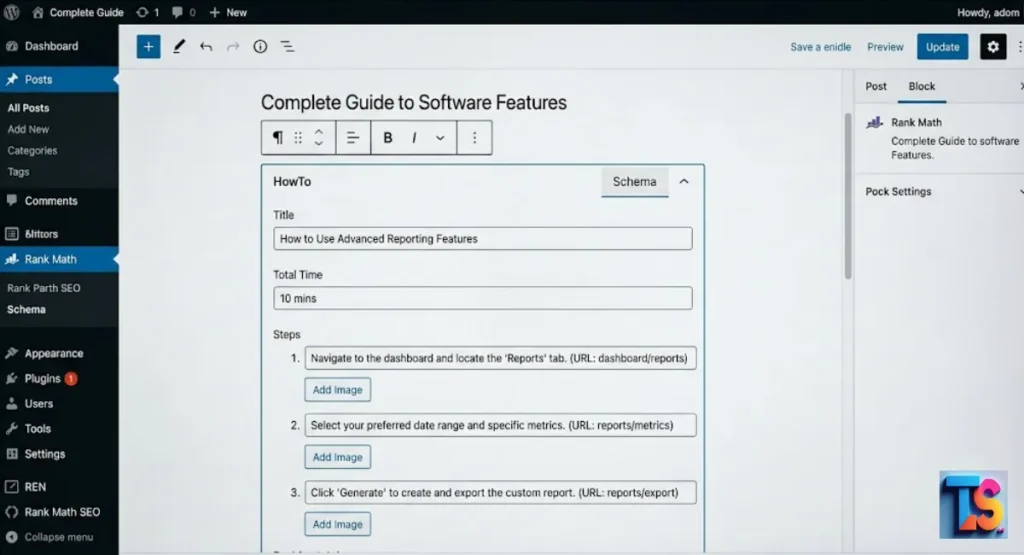
You must apply this specific technical data language to your product guide pages, setup files, and step-by-step training manuals. It tells the browsing program the exact chronological order needed to complete a task.
This structural setup transforms your technical articles into a highly trusted resource for conversational tools answering complex user questions. For example, you can use this code to detail how to personalize 1000 cold emails using dynamic data variables in a clear sequence.
The bot will recognize the structured steps and present them as a clean list to the user. This format makes your instructional content highly attractive to search tools.
Article with Speakable
This backend structure highlights the specific paragraphs within your informational articles that read best when spoken aloud or condensed into very quick answers. It allows advanced data gathering programs to isolate your most critical sentences immediately.
This setup provides fast answers to customers who interact with modern conversational tools using clear voice commands. As voice searches and audio tools become more popular, this code ensures your text is ready for audible delivery.
It tells the bot which lines carry the most weight, so it does not waste time reading fluff. This optimization step prepares your business for the future of interactive search.
How to Identify Gaps In AI Search Visibility: A Step-by-Step Process
Discovering where your website falls short in conversational search results requires a systematic approach. By auditing your current presence, you can map out exactly what changes are needed to outperform your competitors.
Step 1: Audit Your Current AI Visibility
You should test your active corporate visibility across multiple automated search engines by manually inputting common conversational industry questions. Document whether your software brand name shows up within the generated text summaries.
Track exactly how these modern tools describe your features, and check if they include clickable source links back to your main website. Start this process by making a list of the top twenty questions your customers ask during sales calls.
Type these exact prompts into different conversational systems every single week. Keep a simple spreadsheet to track changes in how these systems mention your product name over time.
Step 2: Map Buyer Intent and Semantic Query Clusters
You must sort routine software customer questions into organized topic groups based on what those professionals wish to accomplish. Locate the exact business problems corporate buying teams face when researching applications online, and build simple text pages designed to answer every specific problem during each step of their modern digital purchasing journey.
Review your customer support tickets and chat logs to find out what buyers need. Instead of targeting single phrases, design your pages around broad educational themes. This structure ensures that smart tools can find relevant answers on your site no matter how a user phrases their question.
Step 3: Benchmark Against Competitors with High AI Visibility
You must study the specific market rivals who regularly show up in conversational summaries to find out what makes them successful. Carefully evaluate their page structures, look at the precise phrasing they use to describe their tools, and discover where they get their third-party links to see what you need to fix.
When you see a competitor getting mentioned constantly, look at how they present their data. They might use clearer tables or shorter definitions that conversational systems love to grab. Copy their formatting style and add better facts to win those recommendations back.
Step 4: Content and Knowledge Graph Analysis
You must confirm that your B2B software business remains correctly listed in the main public information databases and trusted web directories.
Ensure your official company name, location data, phone lines, and feature descriptions match perfectly on every digital platform so automated bots can verify your enterprise details without encountering conflicting web data.
Smart discovery systems check external databases to verify if a business is real and trustworthy. If your information is different on different sites, the bots will ignore your content completely. Update all public profiles to create a unified web of facts.
Step 5: Prioritize Gaps by Business Impact
You should focus your initial content updates on the information gaps that relate directly to your highest value product capabilities. Improve website sections that cover subscription pricing structures, major application integrations, and specific buyer case studies before spending valuable hours modifying general background articles that do not generate active software signups.
Focus on content that moves buyers closer to a purchase decision. Look at your sales data to see which features close the most deals. Make sure those specific pages use direct answers so conversational engines can recommend your software to ready buyers.
How Do You Measure Whether GEO Is Working?
Tracking your success in conversational search systems requires looking at modern metrics instead of old keyword tracking lists. You must analyze how often your exact brand name appears in the generated summary texts.
Tools for Monitoring AI Brand Mentions
Utilize modern data platforms that track how frequently your product name shows up in conversational search answers.
You can also monitor performance manually by saving a list of core industry questions and checking your brand placement across multiple engines every month.
Metrics That Indicate AI Visibility Gaps
Low citation share: Conversational tools name your software in the text but fail to provide a clickable link. Incorrect product details: Discovery bots share outdated subscription prices or wrong feature sets.
Zero branded summaries: Category searches only display competitor products while ignoring your brand entirely. Drop in referral traffic: The number of visitors coming to your site from conversational discovery tools steadily decreases.
What This Costs You to Ignore
Bypassing these structural updates will cause your B2B software to become completely invisible to modern corporate buyers. As more professionals turn to conversational assistants instead of traditional search rows, websites that fail to adapt will experience a massive collapse in organic leads.
Refreshing your content structure now preserves your place as a trusted recommendation.
FAQs
How do you rank on ChatGPT?
To rank here, build great customer reviews on neutral directories, and write clear web paragraphs using everyday language. These chat systems crawl forums and review sites to see what people think, so outside mentions help bots trust your software. This simple layout lets tools copy your text without errors.
Does GEO replace SEO?
No, this strategy works right alongside traditional SEO practices rather than replacing them completely. You still need fast page speeds and great links, but you must write simply so bots can extract your software facts. This updated approach shapes your text so that summary tools can understand you easily.
What is the difference between being mentioned and being cited in AI responses?
A mention means the automated tool writes your software name inside the text answer it builds for a user. A citation means the system adds a direct, clickable website link next to your name so readers can visit your site. Citations drive actual traffic, while mentions just build basic brand awareness.
Can early-stage B2B companies compete with established players in AI search?
Yes, because conversational engines favor direct, highly accurate answers to a specific question over the total size of your business. If a younger software team writes better structured tables and clear overviews, a bot will choose them over a messy industry leader. This agility lets small brands win easily.
Is AI search optimization a one-time project or ongoing work?
This is an ongoing marketing project that requires regular updates because conversational systems constantly change their data habits. You must test common buyer prompts and update your text layouts every month to preserve your online visibility. Review your main pages often to keep your text clean.
Does paid advertising help with AI search visibility?
Paid ads do not change how organic scraping bots read or index your website content for text summaries. However, active ad campaigns increase how often professionals look up your brand name, which builds more user reviews across the web. This extra activity creates the trust signals that bots reward.
The Bottom Line
That formatting your content this way completely changes how bots see you. It breaks old patterns. Your pages become easy to scrape.
Humans get fast answers. AI models find your text valuable. It works.