Generating consistent revenue remains the primary challenge for any service-based agency today. If your team spends hours manually navigating directories or maps, you are wasting valuable resources that should be dedicated to high-level strategy and client acquisition.
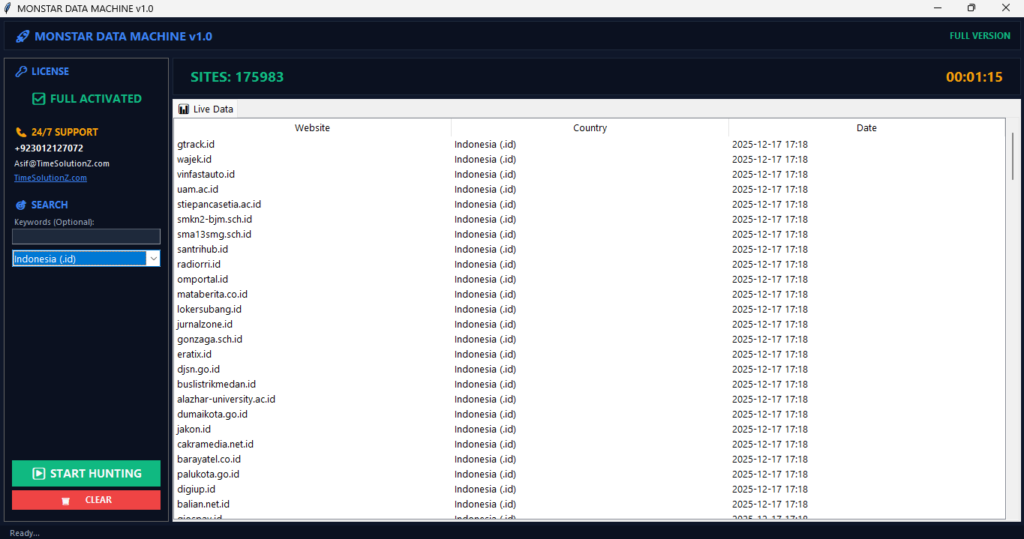
Modern lead generation now relies on a specialized local business scraper to act as your core infrastructure, instantly turning raw data into actionable opportunities. By integrating a bulk domain scraper, you can identify website technology stacks, perform domain authority analysis, and pinpoint targeted business leads with unprecedented accuracy.
This transition to modern lead generation strategies allows you to scale your outreach efforts, minimize operational fatigue, and significantly improve your overall B2B lead conversion rates.
What Is a Local Business Scraper?
A local business scraper is an automated software system designed to extract structured contact data from public digital platforms at high speeds. It acts like a digital helper. It skips the slow copy-paste work. Modern tools now use AI to make sure your data is right. This keeps your lists ready for your next big campaign.
Why Manual Prospecting is Failing in 2026
Manual prospecting fails because it cannot process the massive volume of data required for modern, competitive business growth. Getting leads fast is key to winning today. Manual work has three big problems:
- Time Waste: You spend hours grabbing data that software pulls in just a few minutes.
- Data Inaccuracy: People make mistakes when they type. You get wrong emails. Bad numbers.
- Missed Opportunities: Your rivals use tools. They reach good leads way before you finish your search.
Automation keeps your pipeline full. That is what you need to grow your agency.
How to Find Businesses Without Websites

You identify businesses with a “digital gap” by filtering search results for those lacking a linked URL in public profiles. If you want to master this, read our comprehensive guide on [how to find businesses without websites] to refine your targeting strategy.
Many businesses use Google Business Profile but forget to add a link to a site. Find these people. Offer them a new website to help them grow.
Step-by-Step: How to Find Business Websites & Contact Data
Validating contact data ensures your outreach reaches the intended decision-maker rather than a general inbox. To master the nuances of this process, read our detailed guide on how to [find business websites] to ensure high-quality lead validation. Here is the best way to get good results:
- Define Target Niche: Pick one industry, like local plumbers or maybe restaurants.
- Configure Scraper: Type in your target city and the kind of business you want.
- Run Scan: Grab the names, the addresses, and the website links.
- Verify Output: Check the data against current public records.
- Export Results: Save the file for your CRM.
How to Use a Bulk Domain Scraper for Rapid Growth
A bulk domain scraper identifies specific business technologies across thousands of websites simultaneously to enable hyper-targeted outreach. If you want to scale your operations, read our expert analysis on the [bulk Domain Scraper] and its role in professional-grade prospecting.
If you sell security patches for WordPress, use this tool to scan lists and find only sites that run WordPress. It stops you from wasting time on bad leads.
How to Set Up Your Local Scraper Business: Full Activation Guide

Setting up your scraper successfully requires using rotating residential proxies to bypass site restrictions and maintain a steady data flow. Use this guide to get moving:
- Step 1: Tool Selection: Pick a cloud tool that handles proxy rotation for you.
- Step 2: Proxy Setup: Use rotating residential proxies to look like a real person. Avoid site bans.
- Step 3: Data Hygiene: Scrub your list against privacy databases to stay within the rules.
- Step 4: Outreach: Import your clean, verified list into your CRM.
- Step 5: Tracking: See who replies. Change your message if you need to.
Focus on good outreach once the system is live. A clean list is useless if your message does not help the business owner.
Best Practices for Cleaning and Verifying Your Lead Lists
Data hygiene is mandatory in an era of strict privacy regulations to protect your sender reputation and ensure email deliverability. A list that is three months old often has dead addresses. Use professional email verification standards to stay effective:
- Remove Duplicates: Filter your list to get rid of repeat entries before you start.
- Verify Email Deliverability: Use a tool to confirm that email addresses are actually active.
- Standardize Formatting: Make sure all phone numbers look the same for your CRM.
- Check Contact Restrictions: Respect the law. Don’t email people who opted out.
FAQs
Is scraping public business data allowed?
Yes, scraping public info is usually fine. Just check the terms of the site and follow local privacy laws.
What makes a lead list high-quality?
A great list is fresh, accurate, and aimed at your specific offer. It should have a low bounce rate and fit the needs of your service.
How does automation help me close more deals?
Automation lets you reach more people fast. You stop doing boring office tasks. You spend your time in meetings. You close more sales.
The Bottom Line
A local business scraper is a foundational tool for any lead generation strategy in 2026. By automating the extraction of business data and using modern verification methods, you remove the bottlenecks of manual prospecting.
Focus on targeting businesses with specific needs and prioritize data hygiene to ensure your campaigns stay compliant and effective. A clean list and a strategic approach allow you to efficiently scale your outreach and drive consistent growth for your business.