Finding creative client outreach ideas is the best way to grow your service business today. When beginners want to know where do you find how to get SEO clients, they must build a strong client outreach strategy instead of waiting for buyers to find them.
Sending a personalized cold outreach email that focuses on solving a real problem will always get a better response than a generic sales pitch. By sharing helpful website audits or custom industry reports, you show immediate value to a business owner.
This simple method builds trust quickly, makes your brand stand out from competitors, and turns cold prospects into loyal, paying accounts.
Understanding Client Outreach: Definition and Core Purpose

The core purpose of client outreach is to build high-value business relationships by offering genuine help before you ever ask for a sale.
Outreach is not about sending generic sales pitches to thousands of random email addresses. The real goal is to establish trust and show your expertise early. If you are learning how to get SEO clients as a beginner or researching where do you find clients for SEO your strategy should focus on pointing out hidden technical issues on a prospect’s website. By fixing a small problem for free, you prove your value and make the business owner want to hire you for larger projects.
The Fundamental Difference Between Inbound and Outbound Outreach
Inbound outreach relies on content that pulls assets toward your business, while outbound outreach involves reaching directly out to prospects to spark immediate interest.
Understanding how these two methods perform is vital for your client outreach strategy. Inbound takes a long time to build, whereas outbound gives you total control over who you message today.
| Feature | Inbound Outreach | Outbound Outreach |
| Direction | Prospects find your business on their own. | You find and contact the prospects first. |
| Execution | Publishing blog posts, recording podcasts, or making videos. | Sending personalized emails or messaging on social networks. |
| 2026 Conversion Trends | Attracts highly motivated buyers but takes months to scale. | Generates quick replies if your message solves an instant problem. |
Using a mix of both methods creates a healthy pipeline of new project opportunities.
Why Modern Businesses Prioritize Information-Driven Outreach
Modern businesses prioritize information-driven outreach because corporate decision-makers now completely ignore traditional sales pitches.
Data from recent market tracking shows that basic promotional messages get less than a 2% response rate a trend heavily documented in HubSpot’s State of Marketing Report.. Buyers are tired of empty promises.
Information-driven outreach works because it uses helpful facts, industry insights, or custom data as the centerpiece of the message. When you share useful market data that helps a business understand its competition, the owner welcomes the conversation.
The Anatomy of a Successful Client Outreach Strategy
A successful client outreach strategy is a structured framework that turns cold business prospects into warm, paying accounts through consistent communication.
You cannot rely on luck to grow a business. A great strategy requires careful research, clear messaging channels, and daily tracking. When you follow a strict system, your outreach becomes predictable and highly profitable.
Setting Clear Communication Goals and Benchmarks
Setting clear communication goals means tracking daily activity metrics instead of just focusing on total financial revenue.
You cannot control whether a business owner says yes to a contract today, but you can control how many people you contact. Set a clear baseline to send 15 highly detailed pitches every single week.
Industry benchmarks show that 150 personalized pitches yield 30% more engagement than 1,000 automated template blasts. which aligns with Backlinko’s massive outreach data analysis. Track your open rates and reply rates closely to see if your messages need adjustments.
Identifying and Segmenting Target Audiences
Identifying and segmenting target audiences means using data to practice segmentation (dividing people into clean groups) based on their specific business needs.
If you send the exact same message to a medical clinic and a local construction company, your response rate will suffer. Group your prospects by their location, their estimated annual revenue, or the specific errors on their current website. This clean organization allows you to mention problems that are specific to their industry, which makes your message look highly relevant.
Selecting the Right Channels for Your Message
Selecting the right channel means finding the exact digital platform where your target clients spend their working hours.
Different business owners use different platforms to communicate. You must meet your prospects where they feel most comfortable.
| Communication Channel | Ideal Tone | Target Business Profile |
| Direct Email | Professional and helpful | Mid-sized corporations and tech companies |
| LinkedIn Messages | Conversational and collaborative | Corporate executives and marketing managers |
| Local Phone Calls | Friendly and community-focused | Main street retail shops and local contractors |
Choosing the correct channel ensures your helpful advice does not get lost in a spam folder.
Top Informational Client Outreach Ideas by Channel

Deploying diverse client outreach ideas keeps your brand visible across different parts of your target market.
The best outreach ideas focus entirely on giving away small pieces of high-value assistance. Here are five creative outreach ideas that work across different digital channels.
1. Digital Content Sharing (Guides, Whitepapers, and Industry Reports)
Digital content sharing means sending a short, highly focused PDF guide that solves a single painful issue for a business owner.
Do not send a generic 50-page book. Instead, build a brief three-page report about local search shifts in their specific zip code. Send it to them with a note explaining that their top local competitor is currently winning most of the online traffic. This clear, data-backed approach proves that you understand their local market conditions.
2. Educational Webinars and Low-Pressure Workshops
Educational workshops are free online training sessions designed to teach prospects how to fix basic business mistakes on their own.
Invite 10 local business owners to a private 20-minute video presentation. Walk them through simple updates they can make to their online business listings to get more calls. By teaching instead of selling, you build immense trust. Some attendees will apply the tips themselves, but others will hire you to handle the complex work for them.
3. Personalized Video Messages Addressing Specific Industry Problems
Personalized video messaging means recording a short screen-share video that reviews a prospect’s actual digital assets.
Use a free video tool to capture your computer screen while looking at their website. Spend 90 seconds pointing out two things they did well, and one critical error that is hurting their customer growth. Send the video link in a brief note. This personal effort stands out because it proves you studied their actual business before reaching out.
4. Interactive Tools (Free Calculators, Audits, and Templates)
Interactive tools are simple digital assets that let business owners calculate their own performance gaps in real-time.
You can build a simple spreadsheet template that helps business owners track their monthly website visitor behavior. When you send your initial message, give them free access to this tool. Owners love interacting with custom software that reveals where their business is losing money or missing sales opportunities.
5. Professional Networking and Thought Leadership Panels
Professional networking involves participating in local business groups or panel discussions to meet decision-makers in person.
When you attend a local business meeting, do not hand out sales flyers to everyone you see. Instead, ask open questions about their current business challenges. Listen carefully to their answers. When you contact them the next day, mention their specific comments from the event and offer a resource that addresses that exact problem.
Best Practices for Crafting High-Value Outreach Messages
High-value outreach messages succeed because they place the needs of the recipient completely above the goals of the sender.
Every message you send must be clean, easy to read on a mobile phone, and completely focused on solving a real problem. If your message reads like a generic advertisement, it will get deleted immediately.
The Importance of Deep Personalization Over Automation
Deep personalization means doing thorough background research on a business so you can write a truly unique letter to the owner.
Mass-automation software allows people to send thousands of emails with one click, but response rates for bulk automation have dropped to less than 2%. Business owners can spot a generic template instantly. Spending 15 minutes researching a specific shop lets you write a meaningful note that commands attention and earns a reply.
How to Provide Immediate Value in the First Sentence
Providing immediate value means using your very first sentence to highlight a critical fact about the reader’s business instead of introducing yourself.
Prospective clients do not care who you are until they see how you can help them. Look at the difference between a weak opening line and a strong, value-first opening line.
Bad Example: My name is Robert, I run a digital agency, and I want to offer you our premium optimization services today.
Good Example: I noticed your main business page dropped to the second page of local search results this morning, which is blocking local customers from calling you.
The good example focuses entirely on the reader’s immediate problem, which makes them want to finish reading the message.
Establishing an Effective and Respectful Follow-Up Cadence
A respectful follow-up cadence is a pre-planned schedule for checking back with a prospect without becoming annoying or aggressive.
People are incredibly busy, and they often forget to reply to messages even when they want to learn more. A structured timeline ensures you stay top-of-mind while remaining completely professional.
- Day 1: Send your initial highly personalized message containing a free custom insight.
- Day 4: Send a short two-sentence note checking if they received the free data you shared.
- Day 8: Share one new piece of helpful advice or a case study from a similar industry.
- Day 12: Send a polite final note stating you will stop messaging them, but leave your direct contact details open.
Common Challenges in Client Outreach (And How to Overcome Them)
Overcoming outreach challenges requires adjusting your strategy based on real market feedback and data tracking.
Outreach takes real effort, and you will face obstacles along the way. Knowing how to handle these common problems keeps your client acquisition process running smoothly.
Overcoming Low Response Rates and Audience Fatigue
Low response rates happen when your messaging sounds identical to the automated spam messages your prospects receive every day.
If your messages are being ignored, stop asking for phone meetings right away. Lower the barrier to entry by offering a smaller piece of value. Instead of asking for a 30-minute consultation call, ask a simple question about a single error on their homepage. Making it easy to reply helps break the ice and starts a natural conversation.
Maintaining Message Quality and Personalization at Scale
Maintaining quality at scale means building clean frameworks that save you time while keeping every single message completely unique.
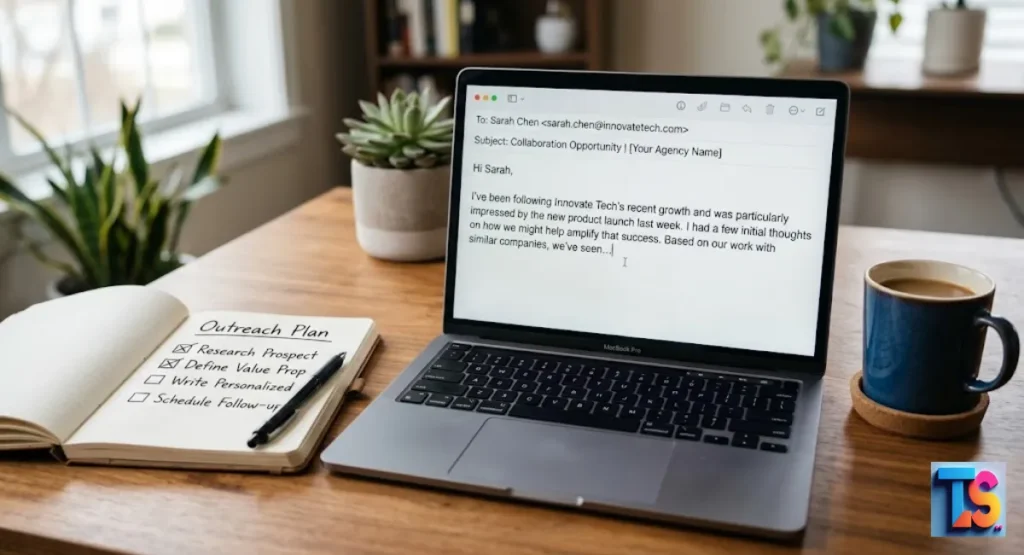
To scale your business without losing quality, write cold outreach email templates for sales that feature large blank spaces for manual research. The core structure of the email stays the same, but you must manually type in the recipient’s first name, a specific competitor’s name, and a real problem you found on their website. This gives you the speed of a template with the power of a custom letter.
FAQs
What is the most effective channel for informational outreach?
Direct email is the most effective channel for informational outreach because it allows you to send detailed data reports, custom videos, and audit documents directly to an owner’s private workspace. It provides a formal, private space where a business leader can review your data at their own convenience.
How long should an informational outreach message be?
An informational outreach message should be less than 150 words total. Busy professionals read most of their messages on mobile screens during brief breaks in their workday. Keep your paragraphs down to two sentences max so your value proposition remains perfectly clear at a single glance.
What is the difference between marketing and client outreach?
Marketing is a broad corporate strategy designed to broadcast a public message to a massive audience to build general brand awareness over time. Client outreach is a targeted, one-on-one communication effort where you contact a specific person to solve a defined business problem right now.