Building a website that focuses on one specific topic is one of the best ways to share your knowledge and earn money online. When you focus on a single subject, search engines and readers quickly see you as an expert.
This guide will show you exactly how to plan, launch, and grow a successful site using the most up-to-date methods. If you want to build a niche website successfully, you must follow a clear plan. By targeting a specific audience, you can easily dominate search engine rankings and drive highly focused organic traffic.
This step-by-step approach simplifies the process, helping you find a profitable blogging niche and create high-quality content that converts casual readers into loyal buyers.
What is a Niche Website (and Why Most Fail)?
Understanding what is a niche website is your first step. It means running a specialized site that focuses entirely on one specific topic, hobby, or industry instead of covering general news.
Most niche websites fail because owners pick topics that are too broad, choose subjects with no way to make money, or write low-quality content that sounds exactly like every other site on the internet.
To win, your site must provide unique value and answer specific questions that general websites miss. When people build niche websites without a clear audience in mind, they struggle to get noticed. It hurts.
The Micro-Niche vs. Broad-Niche Dilemma
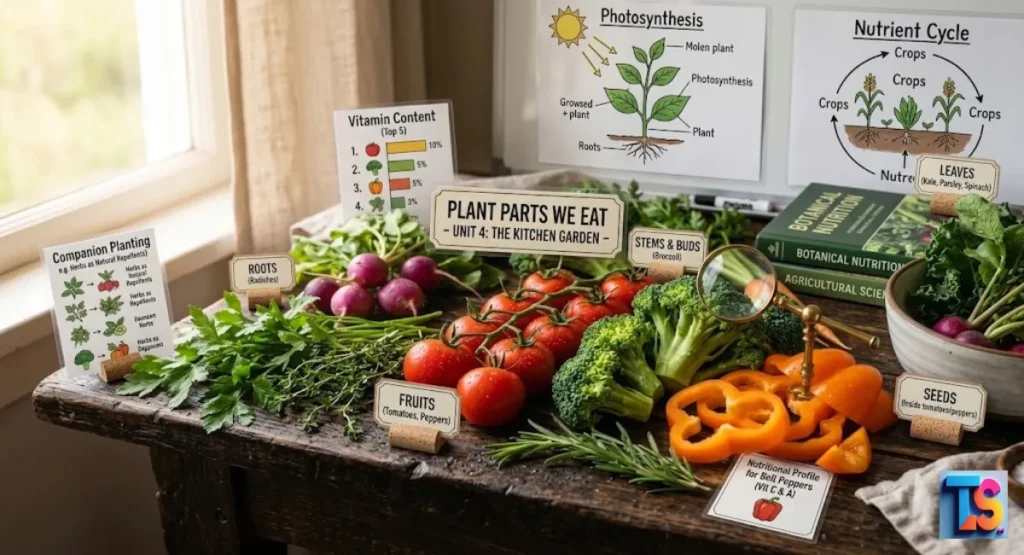
The dilemma is that you must choose between a highly specific topic with low competition or a wider category with more traffic and higher competition.
When you explore different examples of niches of websites, you will find distinct paths. A micro-niche focuses on something highly specific, like cast iron skillet cooking.
It is much easier to rank on the first page of search results because you face less competition, but your total number of monthly visitors will be smaller. It is tight.
A broad-niche covers a whole category, like outdoor cooking gadgets. This brings in many more potential readers, but you have to fight massive, established websites for attention.
So, what should you do? The best approach is to start with a micro-niche to build your authority, then slowly expand into a broad-niche as your traffic grows. Step by step.
Step 1: Niche Selection Using the 2026 Viability Framework
Analyzing Search Volatility and AI Vulnerability
Choosing the right topic requires checking how stable the topic is in today’s search landscape and making sure modern automated answers will not completely replace the need for your site. You need a topic where human experience truly matters to the reader.
In 2026, automated helpful content systems strictly look for real information gain and human-tested data over generic, recycled text. Search engine systems change frequently, creating high volatility where rankings shift.
At the same time, automated digital tools instantly solve simple questions right on the search results page.
To make your site safe, avoid simple fact niches like currency conversion or simple math formulas. They vanish. Instead, choose niches that require real human experience.
You can beat search volatility and automated systems by picking topics that require deep human opinion, hands-on testing, and real-world troubleshooting. If a computer cannot replicate the real-world experience, your website remains highly valuable to both human readers and search engines. It works.
The Passion vs. Profitability Checklist
When you try to find your blogging niche, you do not need to be deeply in love with your topic, but you must have enough interest to publish dozens of articles without giving up.
This balance makes it the best niche for blogging for beginners because it keeps you motivated while generating income.
Modern industry studies in 2026 show that successful starters avoid overly broad ideas and instead focus on highly specific, problem-solving subjects. Use this quick checklist to evaluate your ideas:
- High Commercial Intent: Are people actively buying tools, gear, or software in this space? They should be.
- Affiliate Programs: Do reliable online stores offer commissions for recommending these products? Check this first.
- Problem-Solving Focus: Does the topic help readers fix a painful or frustrating problem? It needs to.
- Low Search Competition: Can you find at least twenty questions on this topic that do not have great answers online yet? Go hunt.
The best niche for blogging for beginners balances your personal interest with clear market demand and affiliate programs. Keep it simple.
Step 2: Setting Up a Fast, Future-Proof Technical Foundation
Choosing a Domain Name with Brand Potential
The technical setup of your website dictates how easily search engines can read your pages and how long users will wait for your content to load. A slow site turns readers away instantly.
Your domain name is your website address on the internet. Avoid long, confusing names packed with exact keywords like best-cheap-counseling-tents-online.com. It looks bad. Instead, choose a short, memorable name that sounds like a real brand, such as CounselingNiche.com or CampTherapy.com.
A great domain name must be short, memorable, easy to spell, and sound like a real brand rather than a list of keywords. A branded name allows you to expand your content later and makes readers trust your link when they see it in search results. Brand it.
Hosting Essentials: Speed and Core Web Vitals
Web hosting is the service that keeps your site live on the internet. Your hosting provider must be fast and reliable because speed directly impacts your search rankings.
In 2026, the standard for Core Web Vitals requires your Interaction to Next Paint score to stay under 200 milliseconds and your overall page loading time to stay under 2 seconds.
Your hosting service must deliver fast loading speeds and stable page layouts to satisfy modern web performance standards. Choose high-quality cloud hosting or specialized WordPress hosting. Use a clean, lightweight design theme and keep your code simple so your pages load as fast as possible. Speed wins.
Step 3: Designing for User Experience (UX) and Skimmability
Eliminating Intrusive Ads and Layout Shifts
Modern readers want information immediately. If your design is messy or confusing, users will click the back button, which signals to search engines that your page was not helpful.
Nothing ruins a website faster than pop-up ads that block the text or elements that jump around while the page finishes loading. This jumping behavior is called Cumulative Layout Shift, and it hurts your rankings. It destroys trust.
You can fix layout shifts and bad user experiences by keeping your design completely stable and removing annoying pop-up ads. Keep your layout clean and steady.
Ensure your text stays in place, uses a large font that is easy to read on mobile phones, and leaves plenty of white space between paragraphs so the screen does not look crowded. Breathe easy.
Essential Pages Every Niche Site Needs for Trust
To build real trust, your website must include standard pages that prove who you are and show that you follow online legal rules. They are vital.
| Required Trust Page | What It Must Contain |
| About Us Page | Your real name, your professional background, and why you are qualified to write about this topic. |
| Contact Page | A working email address or contact form so readers and partners can reach you. |
| Privacy Policy | A legal statement explaining how you handle visitor data and cookies. |
| Terms of Service | The rules for using your website content and services. |
| Affiliate Disclosure | A clear note explaining that you earn a small commission if people buy products through your links. |
Step 4: The Content Strategy That Outranks Generic Content
Finding Low-Competition, High-Intent Keywords
To succeed today, your articles cannot just repeat the same information found on the top results of the web. You must offer something fresh and helpful.
When you look for topics to write about, focus on long-tail keywords. These are longer, more specific search phrases that show exactly what the user wants to buy or fix. You can find low-competition keywords by focusing on specific, longer phrases that show exactly what a buyer wants to solve.
For example, do not target the broad phrase counseling. If you want to build a website to market to a counseling niche, you must look for specific phrases that address a target audience.
To reach these users, you can write helpful articles that solve the exact business problems of independent therapists, such as how to attract local clients or manage digital booking.
This phrase has lower competition, and the person searching for it has a very specific goal, making them much more likely to read your entire article and trust your advice. Target them.
Writing for Information Gain: Adding Original Data and Media
Search systems reward information gain, which means your article adds unique value that cannot be found anywhere else.
To achieve this, do your own original research, share your personal experience, use your own unique photos, or create simple charts. You write for information gain by adding unique value, original data, personal experience, and custom photos that no other site has.
If you write about a physical product, show pictures of you actually holding and testing the item. This builds massive trust with your readers and sets you apart from generic sites. When you build niche websites with this level of original detail, your pages stand out. They shine.
Step 5: Monetization Realities (Moving Beyond Just Display Ads)
Diversifying with Affiliate Programs and Digital Products
Relying solely on banner advertisements requires millions of monthly pageviews to make a significant income. It takes forever. Smart website owners build multiple income streams from day one.
Affiliate marketing means you earn a percentage of the sale when a reader buys a product through your link. You can diversify your income by joining private brand referral programs and selling your own simple digital downloads directly to readers.
Look for private affiliate programs directly from brands in your niche, as they usually pay much higher rates than major general online retailers.
You can also create your own digital products, such as basic digital guides, templates, video tutorials, or helpful spreadsheets. Digital products cost very little to make, and you keep all of the profit from every sale. Pure cash.
When to Apply to Premium Ad Networks
Once your traffic grows steadily, you can apply to premium display ad networks. These premium networks pay significantly more money per thousand views than standard entry-level ad programs. They pay well.
Most premium ad networks require your site to have at least 10,000 to 50,000 high-quality monthly sessions. They also manually review your content to ensure it is completely original, safe for major brands, and helpful to visitors.
You should apply to premium ad networks only after your website gains consistent traffic and maintains a clean, original layout. Focus on great content first, and the ad revenue will follow naturally. Just wait.
Summary Checklist: Your Niche Site Launch Roadmap
Use this step-by-step checklist to guide your progress from a blank screen to a fully operational, profitable website.
- Pick your micro-niche topic using real-world testing and commercial demand.
- Find 20 to 30 low-competition questions that your target audience is asking online.
- Buy a short, branded domain name and set up fast cloud hosting.
- Install a fast, clean website theme that scores highly on mobile speed tests.
- Publish your core trust pages, including your About, Contact, and Privacy pages.
- Write 10 highly detailed articles that offer unique data, real photos, and clear answers.
- Add clear affiliate links or helpful digital items to solve your reader’s needs.
- Track your daily visitors and performance using free web master tools to watch your site grow.
The bottom line is that consistency wins the game. Start building yours today.