A bulk domain scraper is an essential tool for modern businesses looking to streamline their digital growth and outreach. By automating the collection of vast website lists, these systems eliminate the tedious manual effort typically required to build a high-quality lead database.
Instead of browsing sites one by one, you can use these tools to perform rapid data mining, gathering thousands of valuable prospects in just a few clicks. This efficiency allows your sales team to scale their outbound marketing campaigns and focus on meaningful connections.
Whether you are conducting deep market research or identifying new opportunities, a web scraping tool provides the speed, accuracy, and competitive edge needed to succeed in today’s fast-paced digital environment.
The Difference Between Domain Availability Checkers and Outbound Lead Extractors
Domain availability checkers look for names you can buy. Outbound lead extractors find existing business websites to contact. They do different things for your company.
Domain availability checkers are for people who buy and sell names. They check if a name like .com or .net is taken or free for you to grab. Outbound lead extractors are for sales teams. They look for live company sites. They find business websites and grab contact details like emails and phone numbers for your marketing.
Core Use Cases: SEO Audits, Domain Flipping, and Scaled B2B Outreach
Businesses use these tools to rank higher on search engines, find good domain names, and build huge lists for cold outreach. These three ways are how you make money from the data you collect.
- SEO Audits: Agencies use scrapers to find sites that need better search rankings. Then, they offer to fix those sites.
- Domain Flipping: Investors scan for old domains that have value. They buy these names. Then they sell them for a profit.
- Scaled B2B Outreach: Marketing teams build lists of thousands of local companies. They automate cold emails or social media ads for things like web design or software.
How to Set Up Your Local Scraper Business: Full Activation Guide
To start your scraping business, you must know your target audience and pick the right software to get good data. This work makes sure your lead lists are high quality.
First, pick your ideal customer. Maybe you want dentists or restaurants in a specific town. Next, set up your local business scraper to search by location and keywords Next, set up your tool to search by location and keywords.
You can also research how to find businesses without websites by looking at directory lists against search results. This helps you find business websites that don’t exist yet, so you can offer them web design services. Always make sure your settings look for real, active business info.
High-Speed Data Collection: Evaluating the Top Bulk Scrapers (2026)
Picking the right tool depends on your speed and your budget. Look at the table below to compare the big options for your 2026 projects.
| Tool | Best For | Scalability | Primary Use Case |
| Namecheap Beast Mode | Domain Investors | High | Filtering Untaken Keywords |
| Monster Data Machine | B2B Outreach | Very High | Local Business Harvesting |
| Apify Domain Intelligence | Technical Research | Medium | DNS and SSL Validation |
Namecheap Beast Mode: Best for Generating and Filtering Untaken Keywords
This tool helps domain investors find web addresses by testing thousands of keywords at once. You can set filters for length, price, and extensions. It helps you find brandable names for your pile of domains.
Monster Data Machine: Best for High-Speed B2B Domain and Google Maps Harvesting
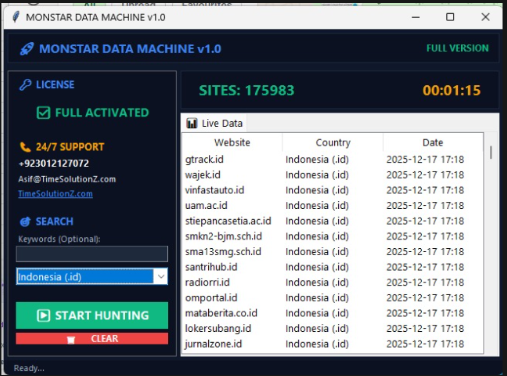
Monster Data Machine platform is the top choice for finding thousands of business contacts fast. It scrapes maps and search results. It gives you real contact info. It is the best tool for scaling your sales.
Apify Domain Intelligence: Best for Complex DNS Records and SSL Validations
Developers use this tool when they need deep technical info about a site. It goes past simple URLs. It gives you data on server locations, security, and domain settings.
How to Monetize Scraped Domains: Turning Raw URLs into B2B Lead Lists
Raw data makes money once you clean it into a list of people who need your help. Follow this three-step plan to turn simple web addresses into actual sales.
Phase 1: Deploying a Domain Collector for Niche-Specific Targeting
Start by pulling a list of URLs based on your industry and location. This gives you a base for your outreach. It helps you see which companies are your best potential clients.
Phase 2: Utilizing a Monster Email Extractor to Isolate Decision-Maker Contacts
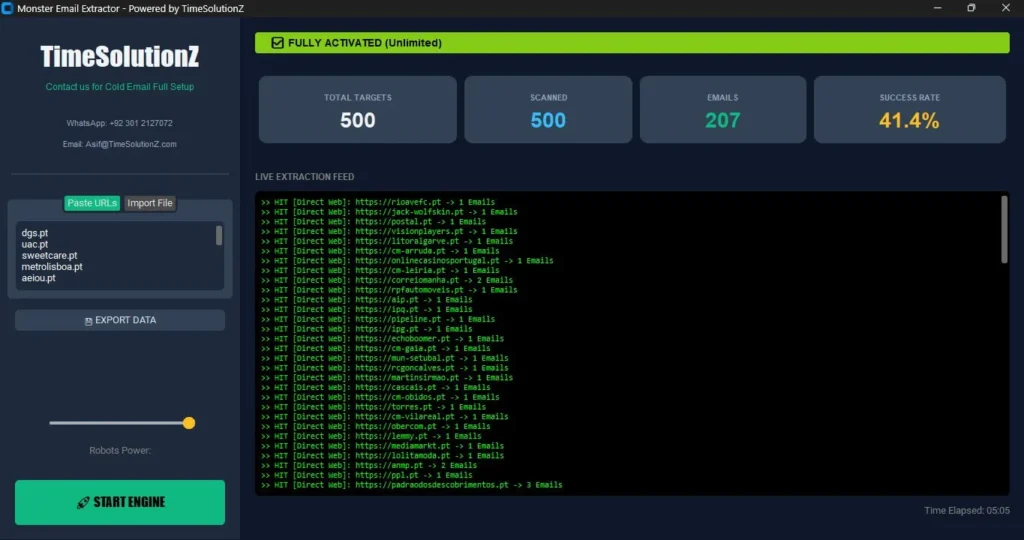
Once you have your list of domains, use an Monster Email Extractor tool to find the emails of bosses or managers. This tool visits each site to find contact pages. It saves you from having to click through every single website yourself.
Phase 3: Filtering Target Leads by Domain Rating (DR) and Traffic Volume
Sort your list by website traffic and authority scores. Find the most profitable leads. Focus on companies that are already busy and successful. They have the money to pay for your work.
Technical Execution: Extracting Clean Root Domains from Unstructured Web Sweeps
Cleaning your data is key. It makes sure your lists import into your CRM without a hitch. You must change messy web results into a clean list of root domains to avoid errors.
Automating Search Engine Queries Without Account Logins
Modern tools use rotating proxies. They search the web from different spots. This keeps search engines from blocking your IP address or locking your account.
Scraping Google Maps Safely: Dealing with Local Business Parameters
Scraping maps needs tools that act like real people. Use software that adds pauses between requests. It keeps your activity hidden from security systems.
Deduplicating Subdomains and Formatting Clean CSV Exports
Remove all duplicate entries and subdomains from your list. Keep your data clean. Export your final list as a CSV file. It makes it easy to upload into your email or sales software.
Mitigating Scale Bottlenecks: Anti-Scraping Defenses, Rate Limits, and Legality
Search engines use smart AI to block robots. You must use the right tricks to keep your data flowing. Manage your tools well. It keeps your access open and your business legal.
Managing Residential Proxies to Avoid Search Engine Blocks
Residential proxies use real home internet connections instead of data centers. Because these IPs look like regular home users, search engines won’t block your requests as much.
Compliance Best Practices: Navigating Local CAN-SPAM Laws and robots.txt
Always respect the rules of the websites you visit. Follow all local email laws. Check the robots.txt file on a site to see if they block scrapers. Always include an unsubscribe link in your marketing emails to stay on the right side of the law.
FAQs
How quickly can an automated bulk scraper process a target city or niche?
A fast tool can grab and verify 1,000 business leads in under 15 minutes. This speed depends on using a good proxy service to handle the work without stopping.
What is the difference between a flat-fee scraper and a monthly API credit model?
A flat-fee tool is a one-time purchase. It is best for small or one-time projects. A monthly API credit model is better for big jobs. It often includes regular updates to keep the scraper working when websites change their look.
The Bottom Line
Picking the right tool is the first step to your success. Do you have a specific niche in mind to start with?