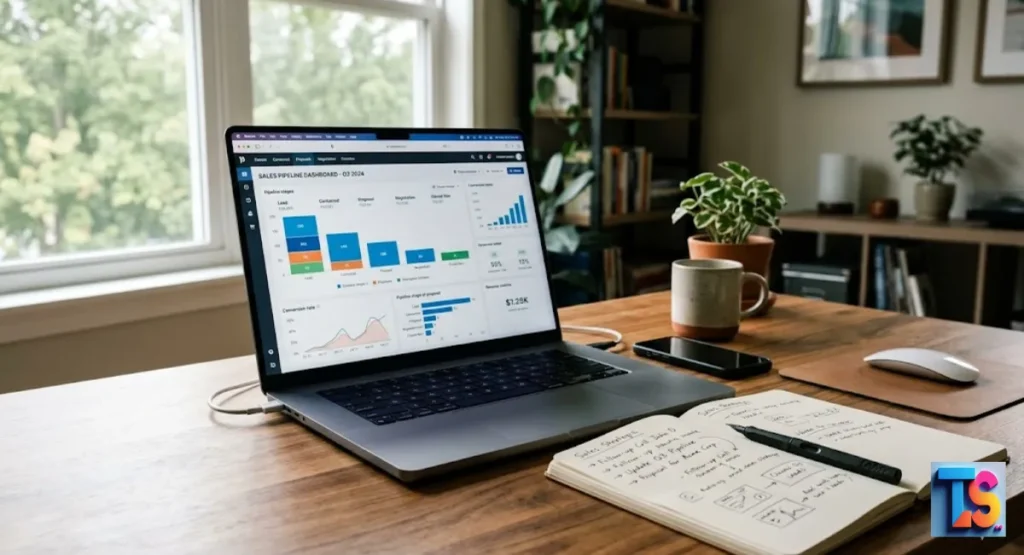
Finding businesses without a website is a highly effective strategy for building a high-quality lead generation list. Many local companies still rely on outdated methods, meaning they have a significant gap in their online presence.
By identifying these businesses on maps and directories, you can uncover prime opportunities to offer professional web design or digital growth services. These “offline” businesses often have successful operations but struggle with local search visibility, making them perfect targets for your outreach.
Mastering how to find businesses without websites allows you to connect with owners who truly need your expertise, helping you scale your agency by solving a clear, immediate problem for them.
Why Local Businesses Lack Websites (And Which Niches to Target First)
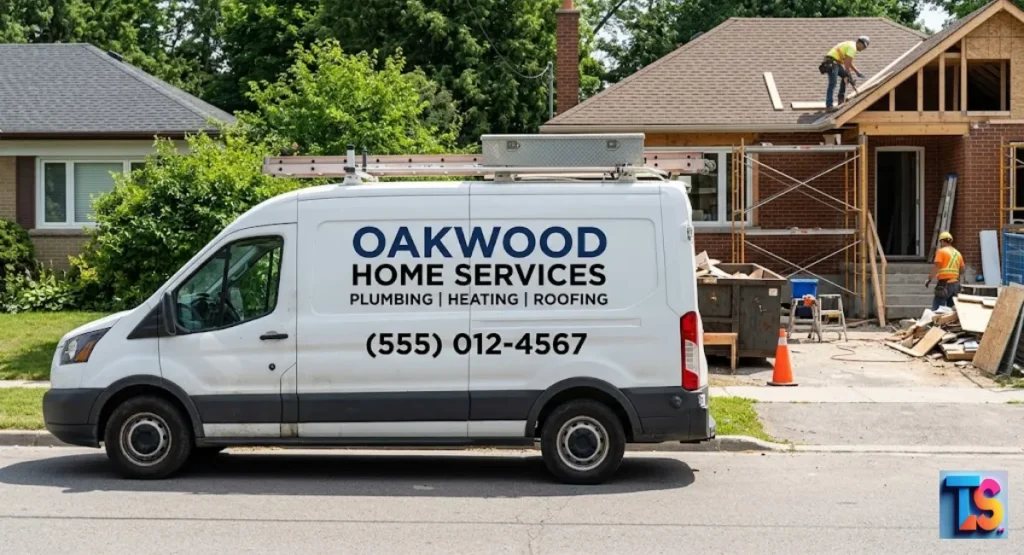
Many owners skip websites because they rely on old methods. They do not realize they are losing customers, which creates a gap for your services.
The Cold Hard Data: High-Probability Industries to Audit
Certain industries rarely build a digital footprint. Focus your search optimization audit on these fields:
- Construction: Contractors often rely on word of mouth.
- Home Services: Landscapers and cleaners focus on phone calls.
- Retail: Small local shops rely on foot traffic alone.
- Auto Repair: Mechanics often ignore modern digital marketing.
Pro-Tip: Look for businesses with high review counts but no website. These owners have proof of success and a budget to invest in growth.
The True Cost of Having No Web Presence in the AI Era
Modern search tools favor sites with structured data. If a business lacks a website, it stays hidden and loses visibility when people use voice search. A website is now a basic requirement for business automation and growth.
How to Set Up Your Local Scraper Business: Full Activation Guide
You activate a local scraper by choosing a reliable tool and setting your search parameters. Select a target area, input your industry keywords, and run the software to extract clean contact lists.
Always use a private proxy to keep your connection secure while pulling data. This prevents your account from getting blocked and ensures your scraping process runs smoothly. Just be safe.
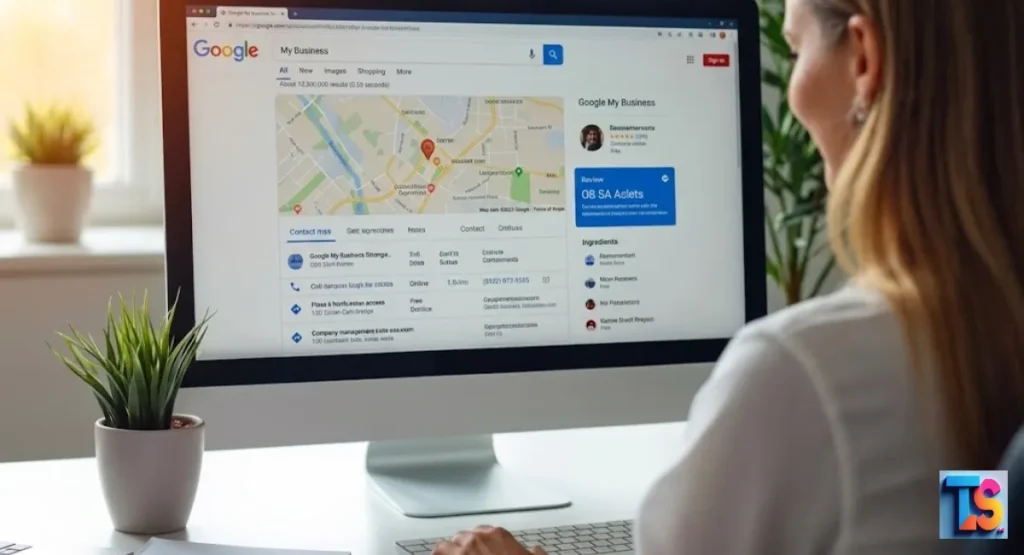
Method 1: The Google Maps Manual Audit Blueprint
You can find leads manually using Google Maps. This method costs nothing but your time.
Step 1: Setting Up Your Location Boundary
Select a specific city or zip code. Search for a service like “electrician” in that area and set the view to a list format.
Step 2: Spotting the “Missing Meta-Icons” in Real-Time
Scan each listing carefully for a website button. If the button is missing, the business has no online presence to help them find business websites.
Step 3: Verifying Ghost Listings vs. Social Media Placeholders
Check the profile for social media links. A business using only Facebook is a prime lead because they already know the value of being online.
Pro-Tip: Use the Street View feature to check if the storefront is active. This saves time on dead leads.
Method 2: High-Speed Automation and Map Scraping
Scaling your outreach requires data tools. These tools make business automation easy and fast.
Rapid Extraction: Scraping Thousands of Leads in Under a Minute
Automated scrapers pull thousands of results at once. They capture names, phone numbers, and website status into one spreadsheet for your lead generation.
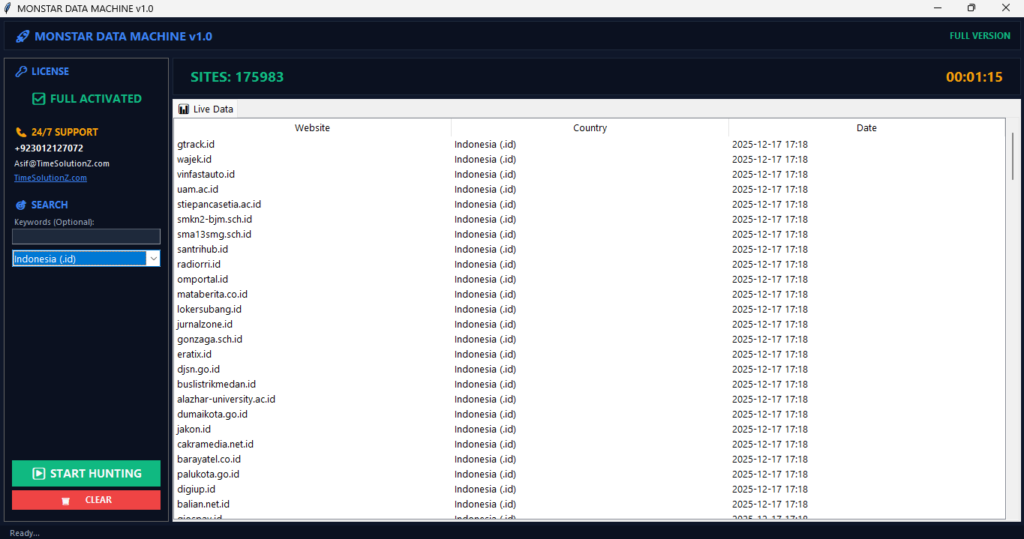
Using Monster Data Machine to Isolate Niche-Specific Domains
Tools like Monster Data Machine filter out businesses that already have sites. You only get the contact info for companies that need help building a digital footprint.
Filtering Leads Automatically by Domain Rating and Traffic Volume
Focus on quality by prioritizing businesses that are active but invisible online. Using a bulk Domain Scraper helps you identify these gaps quickly.
Alternative B2B Lead Finders to Scale Your Agency Outreach
| Tool Name | Best For | Ease of Use |
| Apify | Bulk data scraping | High |
| ScrapingBee | Bypassing page blocks | Medium |
| Clay | Finding owner emails | High |
Pro-Tip: Clean your data lists before emailing. Accurate data improves your delivery rates significantly.
Method 3: Accessing Public Records and Government Registries
Public records offer reliable contact information. Use these to verify business owners and their status.
Secretary of State (SoS) Corporate Filing Databases
Check state records for official business data. You can often find the owner’s name and business address here.
County Clerk Licensing and Trade Name Registries
Local clerks keep records of trade names. This helps you find new businesses that have just started.
Local Chamber of Commerce Offline Member Directories
Check the local Chamber of Commerce site. Many established companies there lack a modern web presence.
Pro-Tip: Cross-reference these records with Maps data. This verifies if the business is still active.
Method 4: Scouting Alternative Local Business Directories
Other directories help you find hidden leads. Check these sites for missing links to build your list.
Uncovering Active Profiles Lacking Domains (Yelp & Yellow Pages)
Many businesses have profiles on Yelp or the Yellow Pages. If they lack a custom website link, reach out to them.
Social Media-Only Businesses: The Instagram & Facebook Trap
Check Instagram and Facebook for businesses that lack a professional site. Pitch them on better online visibility to grow their reach.
Pro-Tip: Check the About section on social profiles. Look for missing business emails or dead links.
The Winning Pitch: How to Sell Web Design to “Un-Webbed” Business Owners
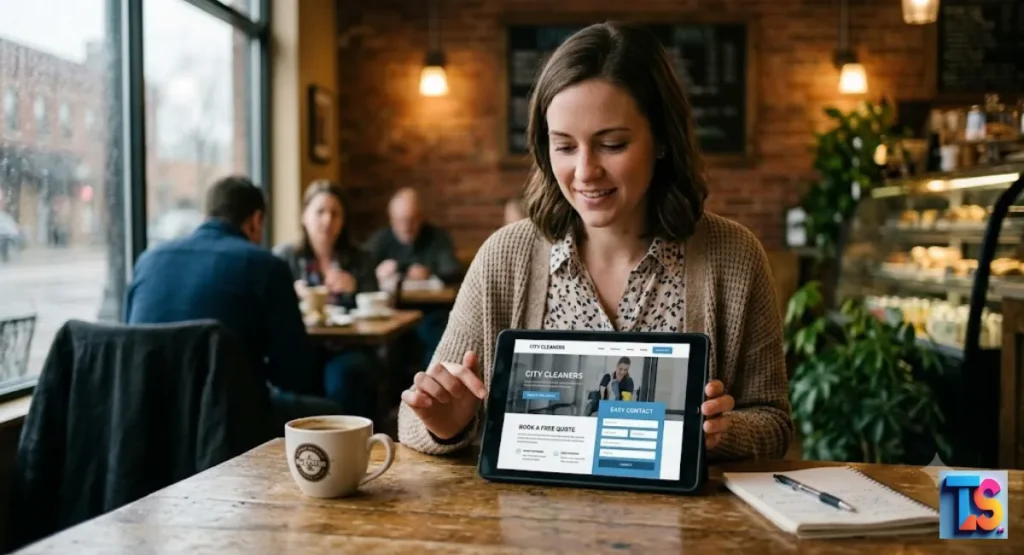
Focus on the benefits of being found. Sell the value of a professional 24/7 online presence.
The “AI Visibility” Warning: Why Google AI & Perplexity Are Ignoring Them
Tell the owner they are invisible to smart search tools. These tools only recommend sites that are easy to crawl and index.
Designing a High-Converting Cold Email Template
Keep your email simple:
- Use a clear subject line.
- State why you are writing.
- Mention the visibility gap.
- Provide a clear call to action.
Overcoming Common Objections (“I rely entirely on word-of-mouth”)
Explain that a website is a digital business card. It works even when they are asleep. Pitch them.
Pro-Tip: Offer a free mock-up of how their business could look online. Visuals win more deals.
FAQs
Is it legal to scrape local business lists for sales leads?
You can scrape public business information using a local business scraper. Do not scrape private, login-protected content.
What is the fastest way to get a list of business owners’ contact info?
Use a specialized scraping tool. It provides a clean list of leads in minutes. Just click.
How do I know if a business is permanently closed or just has no website?
Check for recent reviews. Recent reviews show the business is active and taking customers. The bottom line is to look for activity.