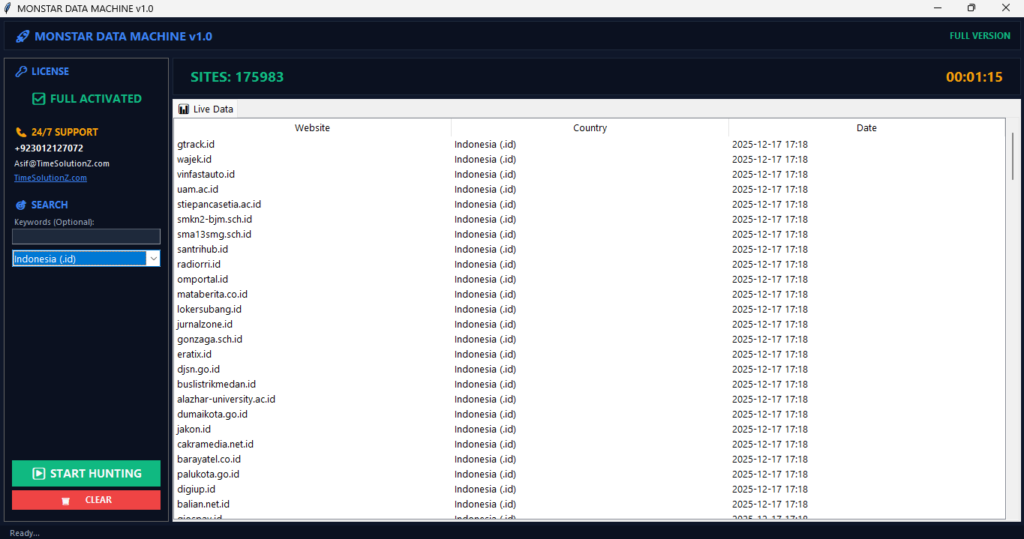
Automatic data extraction revolutionizes modern business operations by seamlessly transitioning information from physical or digital documents into your central database.
By removing the need for error-prone human typing, this technology serves as a primary tool to eliminate manual data entry challenges that frequently cause operational bottlenecks. Implementing such digital transformation strategies allows companies to achieve near-perfect data accuracy while dramatically improving processing speeds across all departments.
As industries increasingly rely on process automation to manage high document volumes, adopting these smart extraction tools becomes essential for maintaining a competitive edge. It ensures that your information management remains both secure and highly reliable for every critical business decision.
The Hidden Cost of Human Keystrokes: Why Manual Data Entry Fails at Scale
To understand the problem, you must ask what is manual data entry. It is the process of typing data from paper or digital files into a system by hand. This slow method fails at scale because human speed cannot keep up with high volumes.
It leads to high labor costs and frequent, costly data inaccuracies. It just breaks down.
As businesses grow, the number of forms and logs increases, forcing teams to spend hours typing. Research from 2026 shows that even the best workers make a mistake for every 100 keystrokes. Think about that.
These tiny errors can cause major billing issues. When you use tools to numeral reduce manual data entry errors, you lower these risks and keep your money safe.
The Core Framework: How Automation Eradicates Data Typos and Transpositions
Automation removes data typos by using smart logic to read and place information correctly into your database. Instead of relying on human sight, the system uses set rules to capture text and numbers exactly as they appear in the source file.
This creates a secure, error-free path for information to enter your digital systems without any roadblocks.
This framework relies on software that never gets distracted or tired. It follows specific instructions to identify data fields, such as dates, names, or total amounts.
By removing the human element from the initial typing stage, you ensure that every number is recorded exactly as it appears on the original source document without any accidental changes.
1. Replacing Human Keying with Direct Character-Level Extraction
Direct character-level extraction works by scanning an image or file and converting it into digital text immediately. By removing the need for a person to look at a screen and type what they see, you eliminate common transposition errors.
The software reads data directly from the document source, ensuring perfect and fast digital replication now. This powerful technology is very essential for companies wanting to improve their digital workflows every single day.
This technology looks at the shapes of characters on a page to identify letters and numbers. Because it does not rely on human memory or typing speed, it is much faster and more reliable.
It wins. When you replace manual keying with this method, you stop the most common source of data entry issues that plague growing offices.
2. Enforcing Strict Data Standardization Rules at Ingestion
Standardization rules ensure that all incoming data follows the exact same format before it reaches your database. If a date is written in different ways, the system automatically converts it to a standard format like YYYY-MM-DD.
This prevents messy or conflicting data entries that usually happen when different people type information in their own style.
Data ingestion is the moment information enters your system. By applying these rules at the very start, you keep your database clean and easy to search. This consistency is vital for reporting.
When your data is uniform, you can trust your analysis and make better decisions for your company without worrying about hidden formatting errors.
3. Programmatic Cross-Referencing and Real-Time DB Validation
Real-time validation checks incoming data against your existing records the moment it arrives. If an invoice shows an amount that does not match your purchase order, the system flags it instantly.
Because the software cross-references these numbers against your database, it catches potential errors before they become part of your permanent and final business records.
This process acts like a digital guard. It compares new information to what you already know is true. If the system sees a number that seems wrong or does not fit, it asks for a check.
By catching these issues early, you stop bad data from flowing into your reports and causing problems for your accounting team.
OCR vs. IDP: The Evolution of Error-Free Document Processing

Basic technology turns pictures into text, but modern systems understand the actual meaning of that text. Basic tools might read a number, but advanced systems know if that number is a tax total or a shipping cost.
Using smarter systems in 2026 allows for much higher accuracy because the software understands the document context completely.
| Feature | OCR (Basic) | IDP (Advanced) |
| Primary Goal | Convert pixels to text | Understand document meaning |
| Data Accuracy | Requires manual review | Very high with logic checks |
| Context Awareness | None | High (knows labels and fields) |
| Layout Handling | Struggles with changes | Handles complex/varied layouts |
For modern businesses, IDP is the better choice for reducing errors. It reduces the need for human review because the system is smart enough to identify and extract data from complex, changing document layouts.
This saves your team from hours of checking and correcting files that the software can handle automatically on its own.
The Human-in-the-Loop Safeguard: Resolving Low-Confidence Data Extraction
The human-in-the-loop approach means software only asks for human help when it is not sure about a piece of data. If the system reads a blurred document and cannot confirm a digit, it highlights the section for a quick check.
This keeps the process fast while ensuring that no incorrect data ever enters your system.
This balance is key to Property Management Automation and other fast-paced fields. You get the speed of an automated system with the final judgment of a person.
Instead of checking every single entry, your team only reviews the small percentage of data where the software needs a second opinion, which keeps your records perfectly clean.
Industry Blueprints: Eliminating Entry Inaccuracies Across Core Sectors

Every industry uses data, and every industry can benefit from moving away from manual entry. When you hire a professional manual data entry company or use software tools, you protect your data integrity.
The following sectors see the fastest results by switching to automatic extraction methods that help reduce your operational costs and human errors.
These sectors handle thousands of documents every day, making them perfect candidates for automation. By removing the need for manual typing, these industries see fewer mistakes and faster processing times.
Whether you work in finance, healthcare, or shipping, the goal is the same: use technology to keep your data accurate while your team handles more complex business goals.
Accounts Payable: Matching Invoices Without Double Payouts
In accounts payable, manual entry often leads to paying the same invoice twice or paying the wrong amount. Automated systems compare invoice data against your purchase orders and goods receipts automatically.
By checking these records against each other in real-time, the software prevents duplicate payments and ensures the math is always correct for your firm.
When the system matches an invoice to a purchase order, it ensures that you only pay for what you actually ordered. If the numbers do not match, the software stops the payment process until a human approves it.
This stops the most common errors that happen when busy staff try to type and reconcile invoices by hand.
Healthcare Admin: Securing Patient Identifiers and Eliminating Processing Delays
In healthcare, a wrong digit on a patient ID can cause dangerous delays or privacy risks. Automatic extraction captures patient information directly from intake forms into the medical record system.
This ensures that identifiers are always correct, which speeds up patient registration and lowers the chance of errors during critical administrative tasks and medical care.
Accuracy is vital when dealing with patient health records. By using automation, healthcare workers spend less time typing and more time helping patients. The system captures name, date of birth, and medical history directly from forms.
This reduces the risk of wrong patient identification, which is a major benefit for both the hospital staff and the people seeking care.
Logistics & Supply Chain: Syncing Bill of Lading Manifests Across Systems
Logistics relies on moving goods quickly, and errors in a bill of lading can stop a shipment in its tracks. Automatic extraction reads manifest details and syncs them across your shipping, inventory, and billing systems instantly.
This removes the need for multiple manual updates, keeping your supply chain moving without any bottlenecks or documentation mistakes.
Moving cargo requires exact data to ensure items reach the right place on time. If a tracking number is typed incorrectly, the shipment can get lost. It happens. Automation ensures that every detail on the manifest is recorded correctly across all systems.
This keeps your logistics operations smooth and helps you avoid the high costs of shipping delays or return fees.
The Bottom Line
The bottom line is that reducing manual entry errors is no longer just a luxury; it is a necessity for staying competitive in 2026. By using automatic data extraction, you remove the risks of human fatigue, standardize your data, and save thousands of hours of wasted time.
Start by identifying your most repetitive document tasks, choose a reliable extraction tool, and watch your data accuracy reach near-perfect levels.
Automation is the best way to grow your business without needing to hire more people just to type data. When you focus on clean, automated processes, you lower your risks and increase your profits.
Take the first step today by looking at your current paperwork and seeing where technology can help you get the job done faster and with much fewer mistakes.